by Jayant Pratap Singh | May 20, 2025
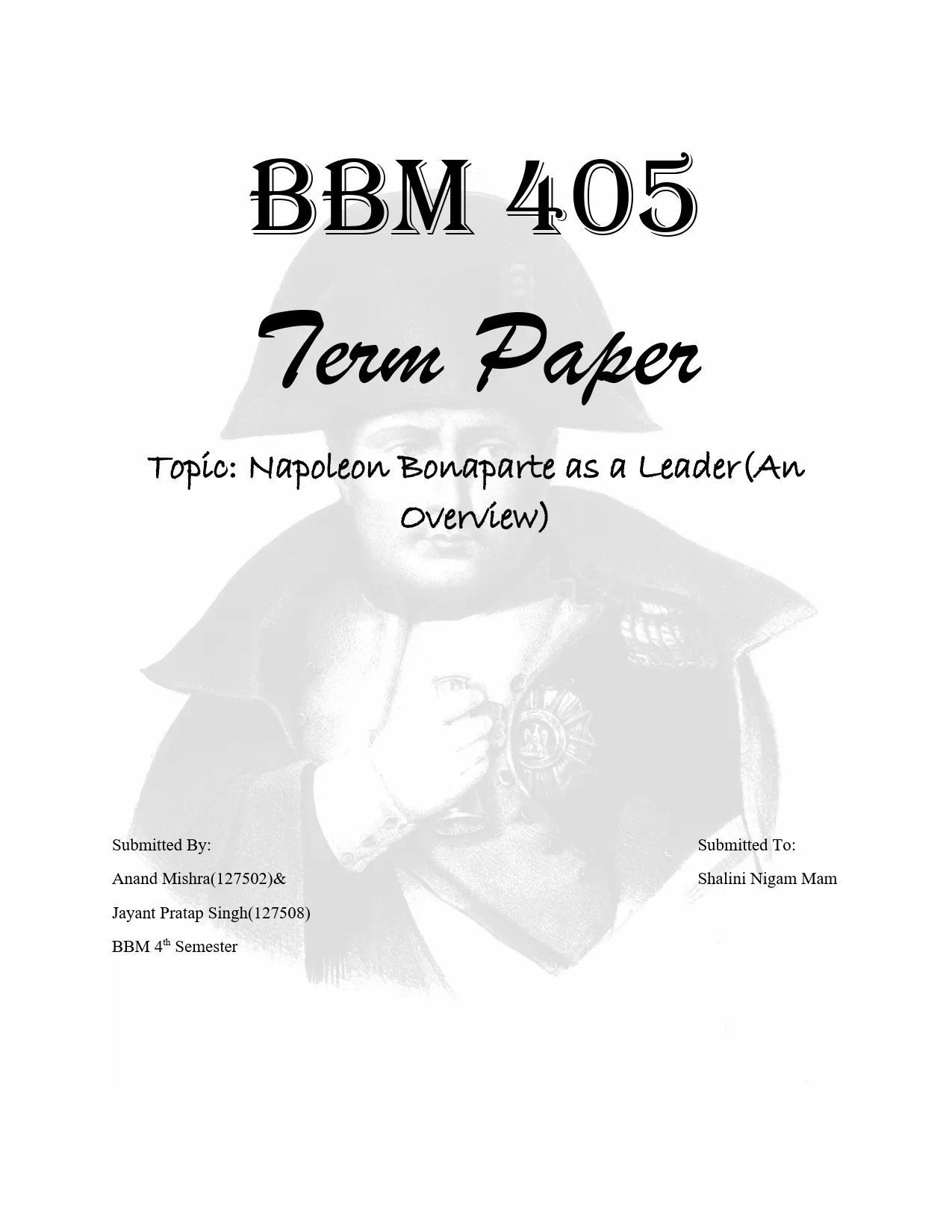
Napoleon Bonaparte was a visionary leader renowned for his strategic brilliance, clear vision, and ability to inspire loyalty. His leadership combined rapid decision-making, tactical agility, and a strong moral force that motivated his troops. He valued character and accountability, leading by example and demanding integrity from his followers. Napoleon’s leadership style emphasized passion, discipline, and a shared sense of purpose, enabling him to achieve remarkable military and political successes. His legacy continues to offer valuable lessons in leadership, strategy, and effective management.
by Jayant Pratap Singh | May 20, 2025
E-waste, especially from mobile phones, is a rapidly growing environmental concern globally. With over 5 billion mobile phones becoming e-waste annually, improper dumping leads to toxic pollution affecting health and ecosystems. Mobile phones contain hazardous substances like mercury and lead, posing serious risks when discarded carelessly. Despite valuable metals like gold and silver in phones, recycling rates remain low due to lack of awareness and infrastructure. Effective e-waste management and awareness programs are vital to reduce environmental damage, promote recycling, and recover precious materials sustainably.
by Jayant Pratap Singh | May 20, 2025

by Jayant Pratap Singh | Mar 24, 2025
Marketing Management is the process of planning, organizing, directing, and controlling an organization’s marketing resources and activities to achieve desired business goals. It involves identifying consumer needs, designing products and services to meet those needs, setting prices, promoting offerings, and distributing them effectively to target customers. Marketing management combines both art and science, using creativity and data-driven strategies to build strong customer relationships and maximize return on investment (ROI). It plays a critical role in driving sales, brand awareness, and long-term profitability by aligning marketing efforts with overall organizational objectives.
