by Aleena Parvez | Nov 7, 2025
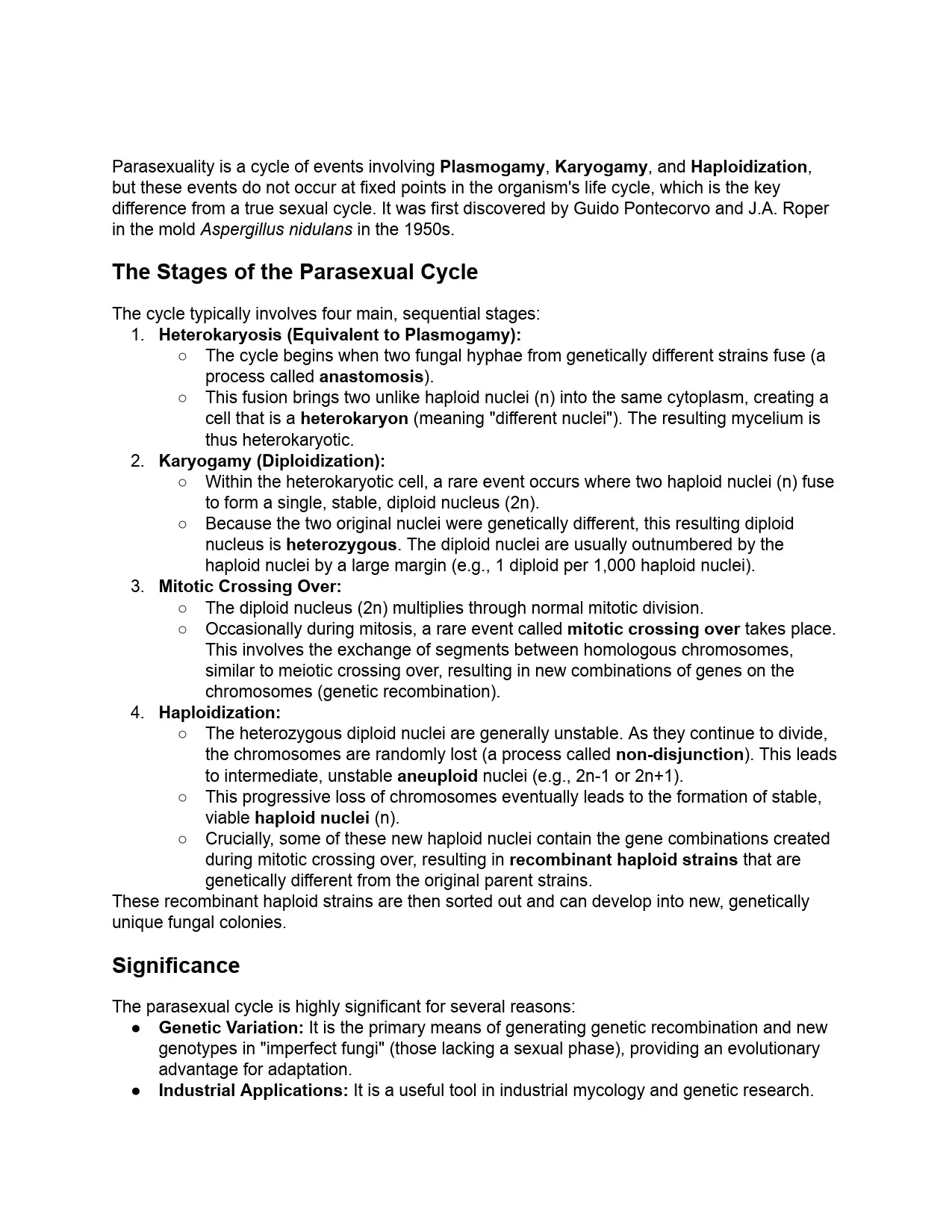
Describes the parasexual cycle in fungi, detailing stages such as heterokaryosis, karyogamy, mitotic crossing over, and haploidization, emphasizing its role in generating genetic variation in imperfect fungi and its applications in industry and pathogenesis.
by Aleena Parvez | Nov 7, 2025
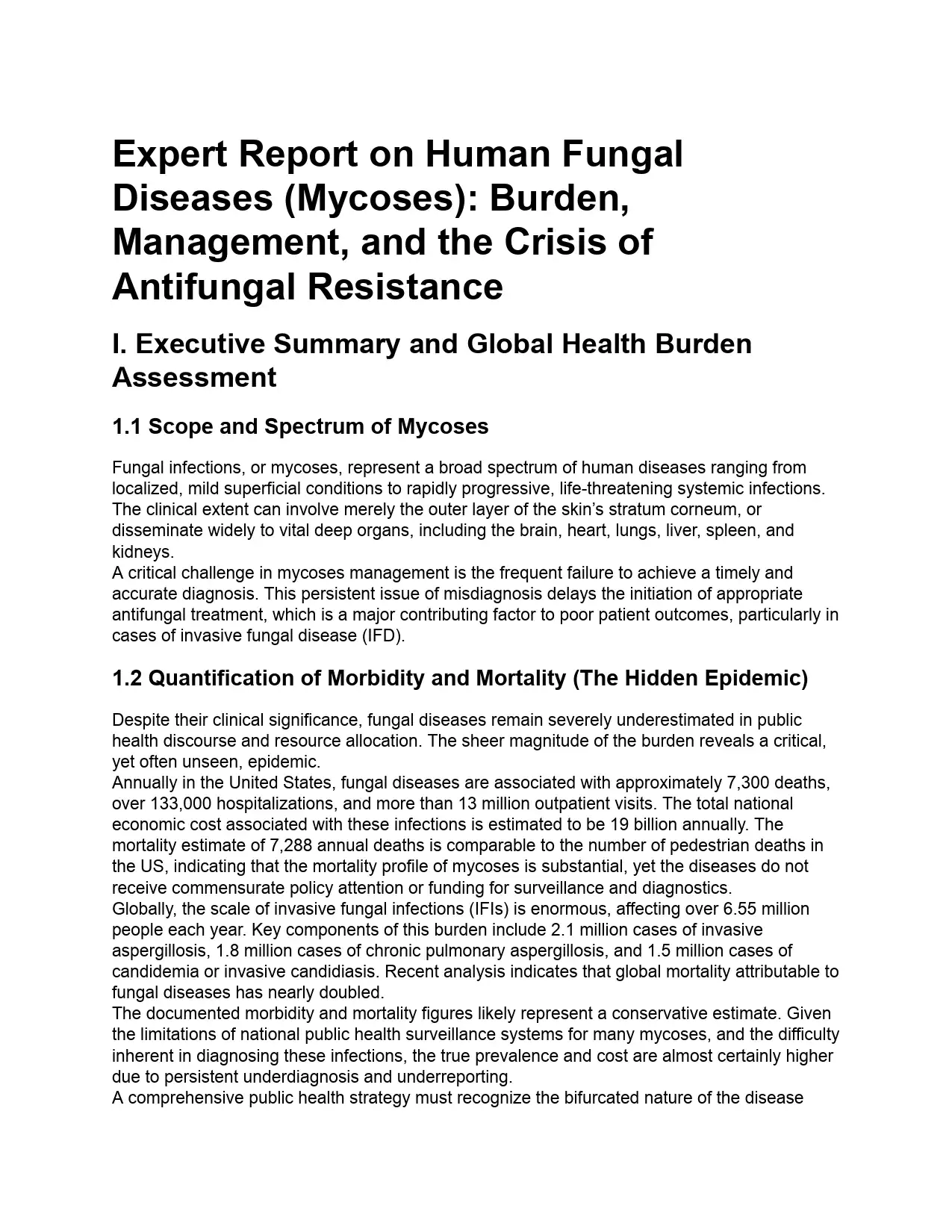
Summarizes fungal diseases ranging from superficial to systemic infections, listing causative fungi, transmission modes such as inhalation and contact, and identifies high-risk patient groups including immunocompromised individuals and diabetics.
by Aleena Parvez | Nov 7, 2025
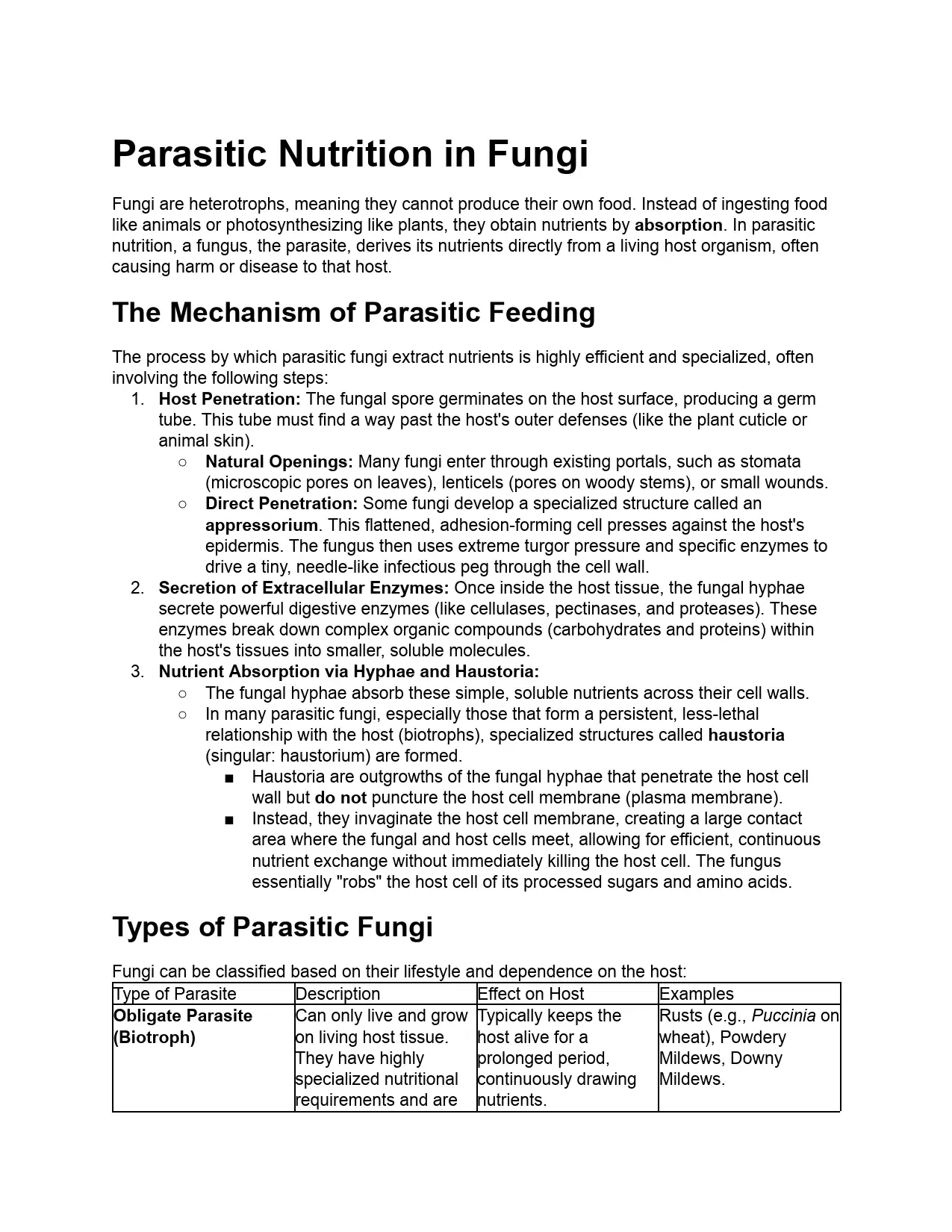
Explains parasitic nutrition in fungi whereby fungi derive nutrients directly from living hosts through host penetration, secretion of digestive enzymes, haustoria formation, and describes types of parasitic fungi and examples across plants, insects, and humans.
by Aleena Parvez | Nov 7, 2025
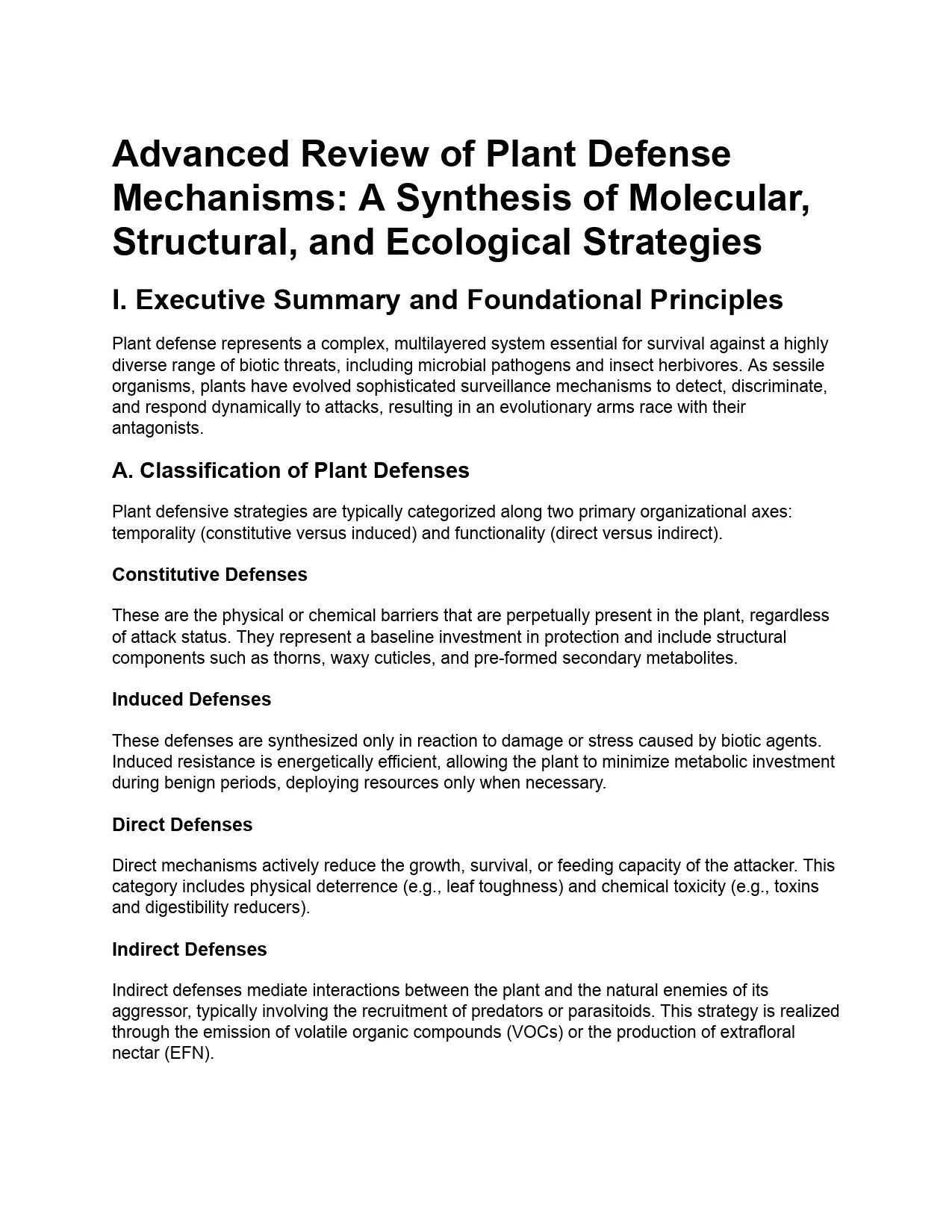
Reviews the two-tier plant immune system comprising pattern-triggered immunity (PTI) and effector-triggered immunity (ETI), molecular receptors, signal cascades, and the dynamic evolutionary “zig-zag” model explaining plant-pathogen interactions.
by Aleena Parvez | Nov 7, 2025
Details the disease cycle of late blight in potatoes caused by Phytophthora infestans, including survival through infected tubers and oospores, primary and secondary infection phases, rapid epidemic spread, dispersal mechanisms, and impact on crops.
