Comprehensive overview of industrial relations covering definitions, objectives, and improvement strategies. Examines three major theoretical perspectives – unitary, pluralistic, and Marxist approaches to workplace relations. Introduces Dunlop’s systems approach with four interrelated elements: actors, environmental context, shared ideology, and regulatory rules framework for employment relationships.
Comprehensive analysis of firm objectives comparing profit maximization versus shareholder wealth maximization, addressing agency problems between managers and shareholders. Covers financial development post-1991 LPG reforms, managing long-term and short-term shareholders, and evolving CFO responsibilities including financial analysis, investment decisions, capital structure planning, and comprehensive risk management strategies.
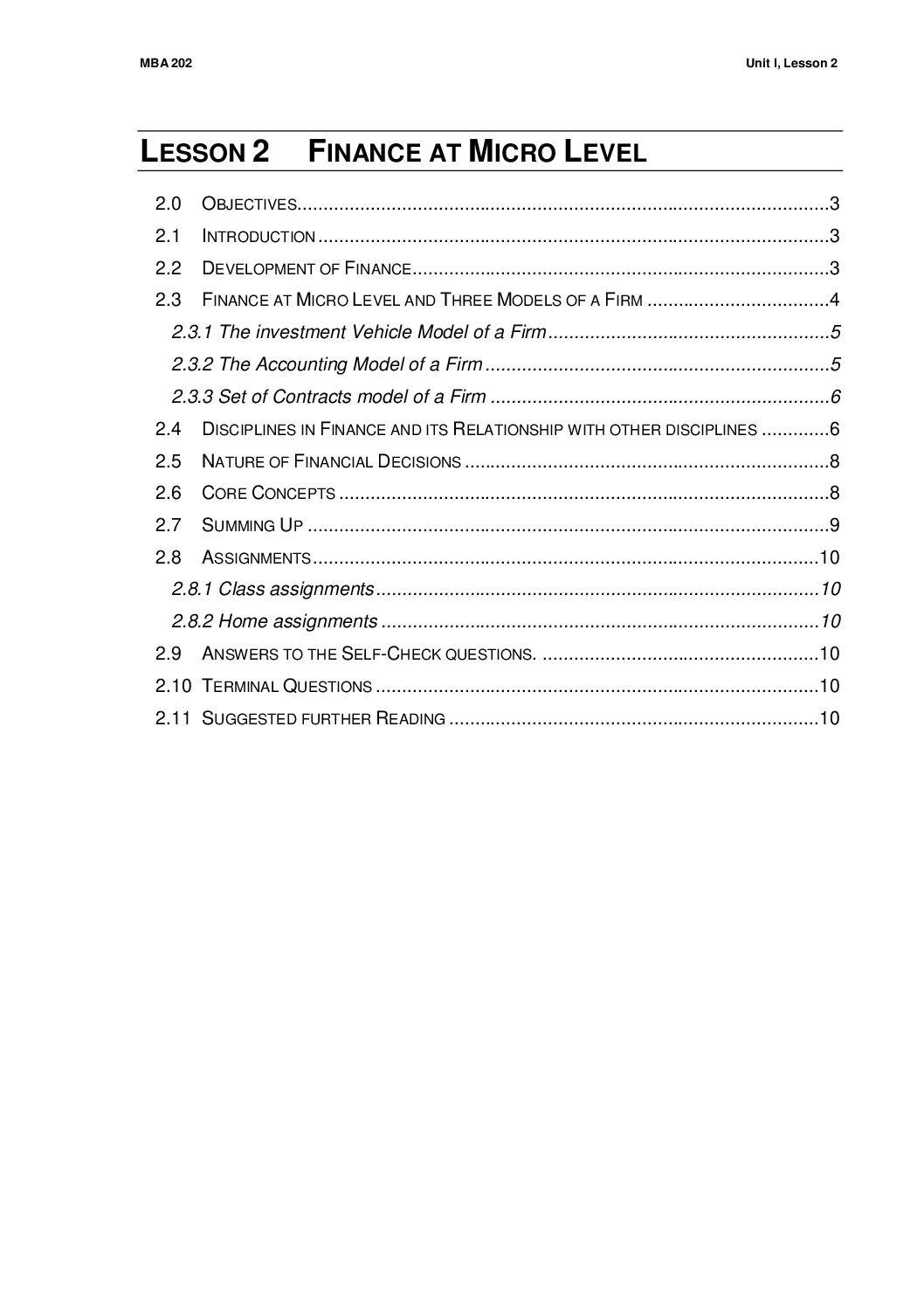
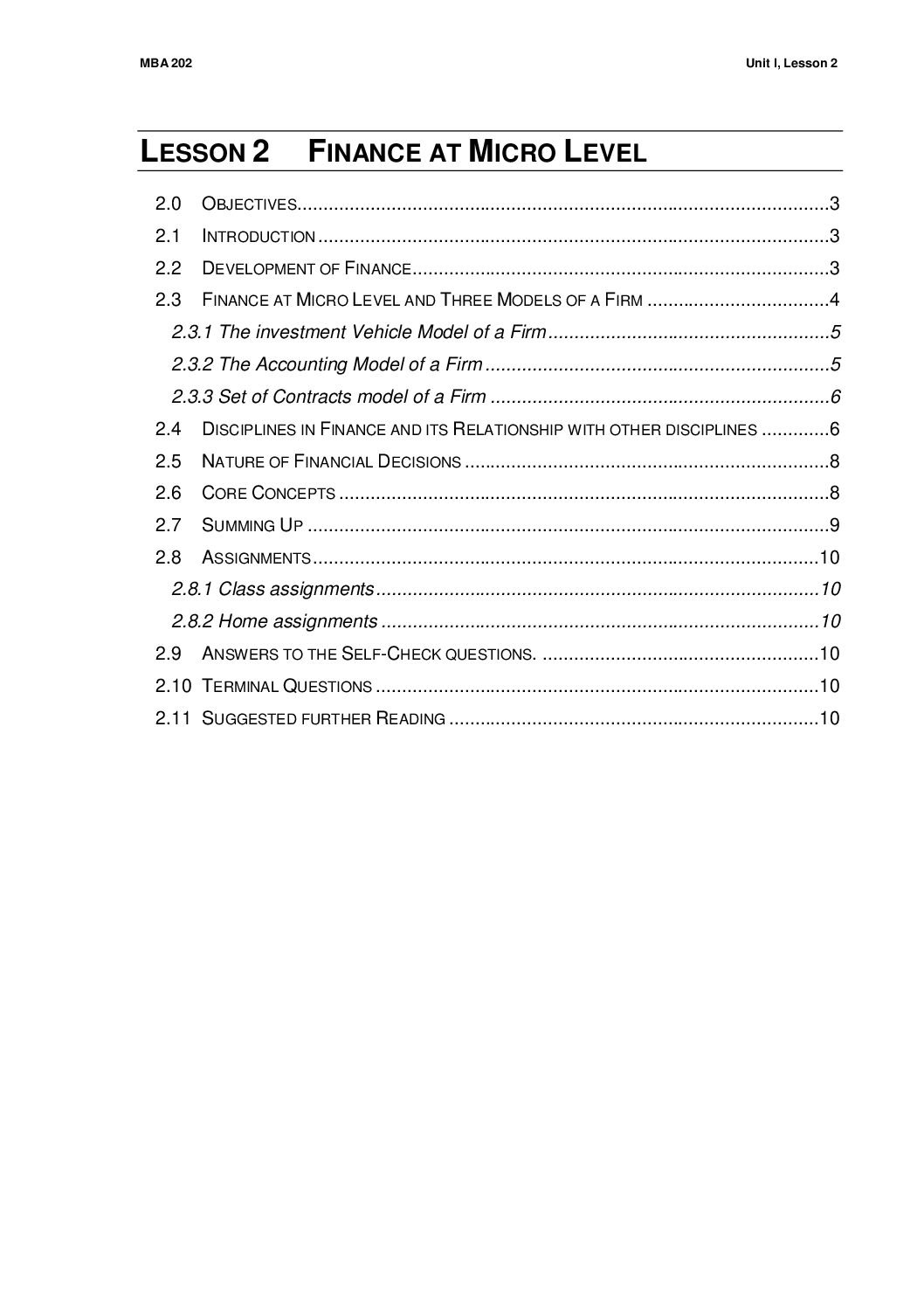
Evolution of finance from applied microeconomics to quantitative science covering firm-level applications. Examines investment vehicle, accounting, and contracts models of firms. Explores finance disciplines, interdisciplinary relationships, and core concepts including time value of money, portfolio theory, CAPM, and value creation.
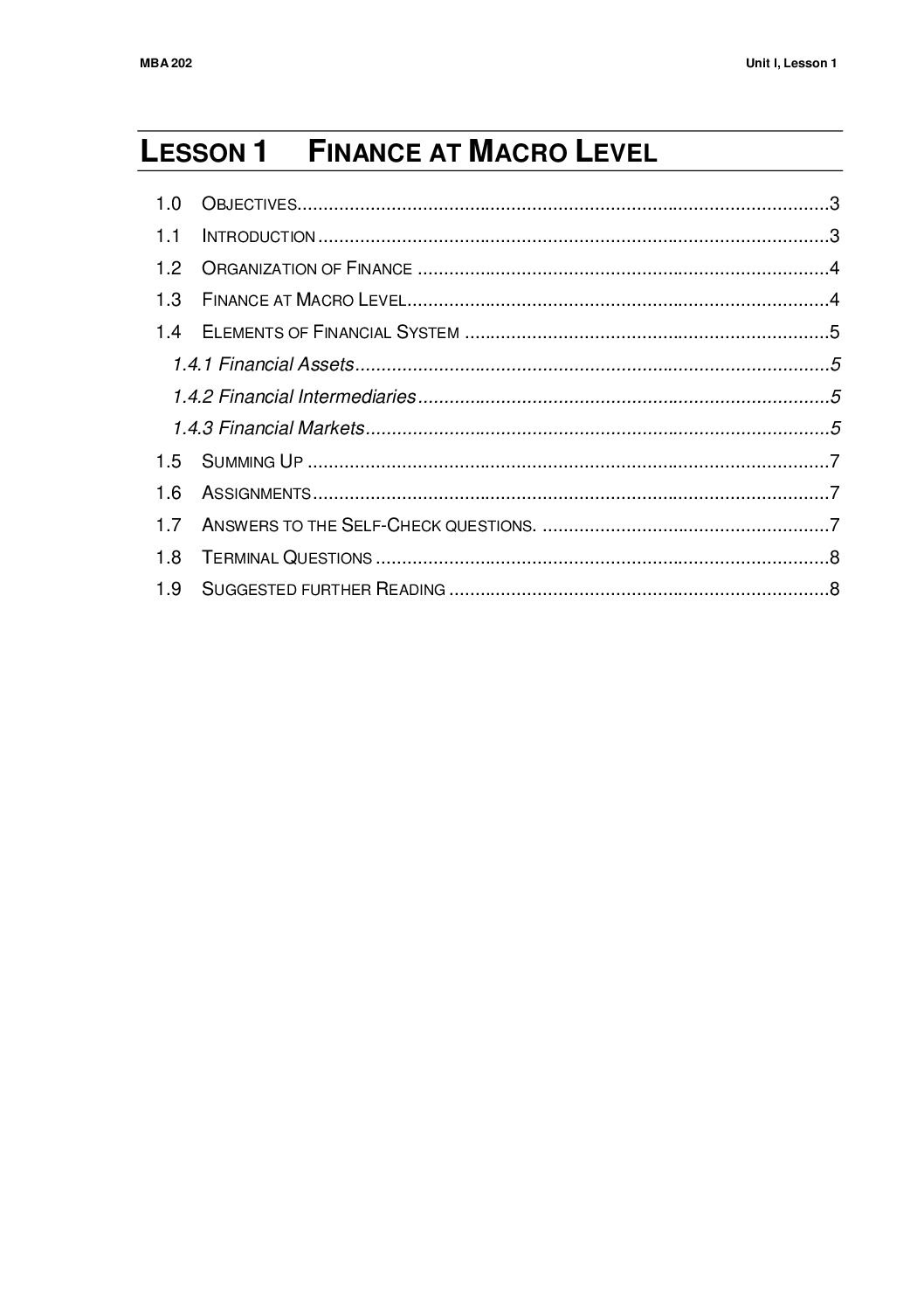
Comprehensive introduction to macro-level finance covering financial system components including assets, intermediaries, and markets. Explores equity, debt, cash instruments, capital markets, money markets, treasury bills, commercial paper, certificate deposits, and government securities within India’s regulated financial environment.
This comprises real-world application of Competition Act through case studies including Punjab National Bank dominance case, ETC Network media case, ISP telecommunications case, Jet-Kingfisher airline alliance, Colgate-Anchor trademark dispute, demonstrating CCI’s enforcement approach, penalty structures, and appellate procedures.