by Aleena Parvez | Nov 7, 2025
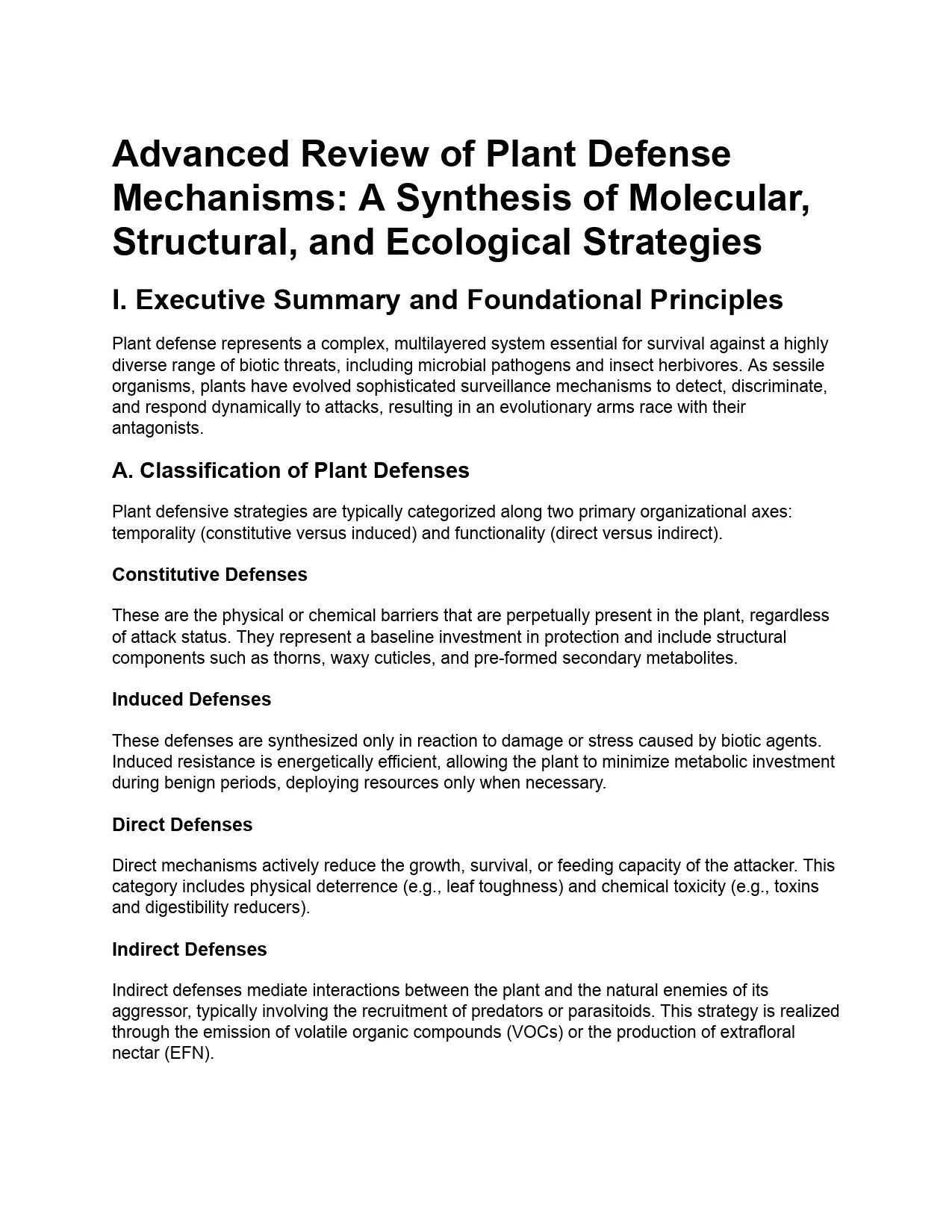
Reviews the two-tier plant immune system comprising pattern-triggered immunity (PTI) and effector-triggered immunity (ETI), molecular receptors, signal cascades, and the dynamic evolutionary “zig-zag” model explaining plant-pathogen interactions.
by Aleena Parvez | Nov 7, 2025
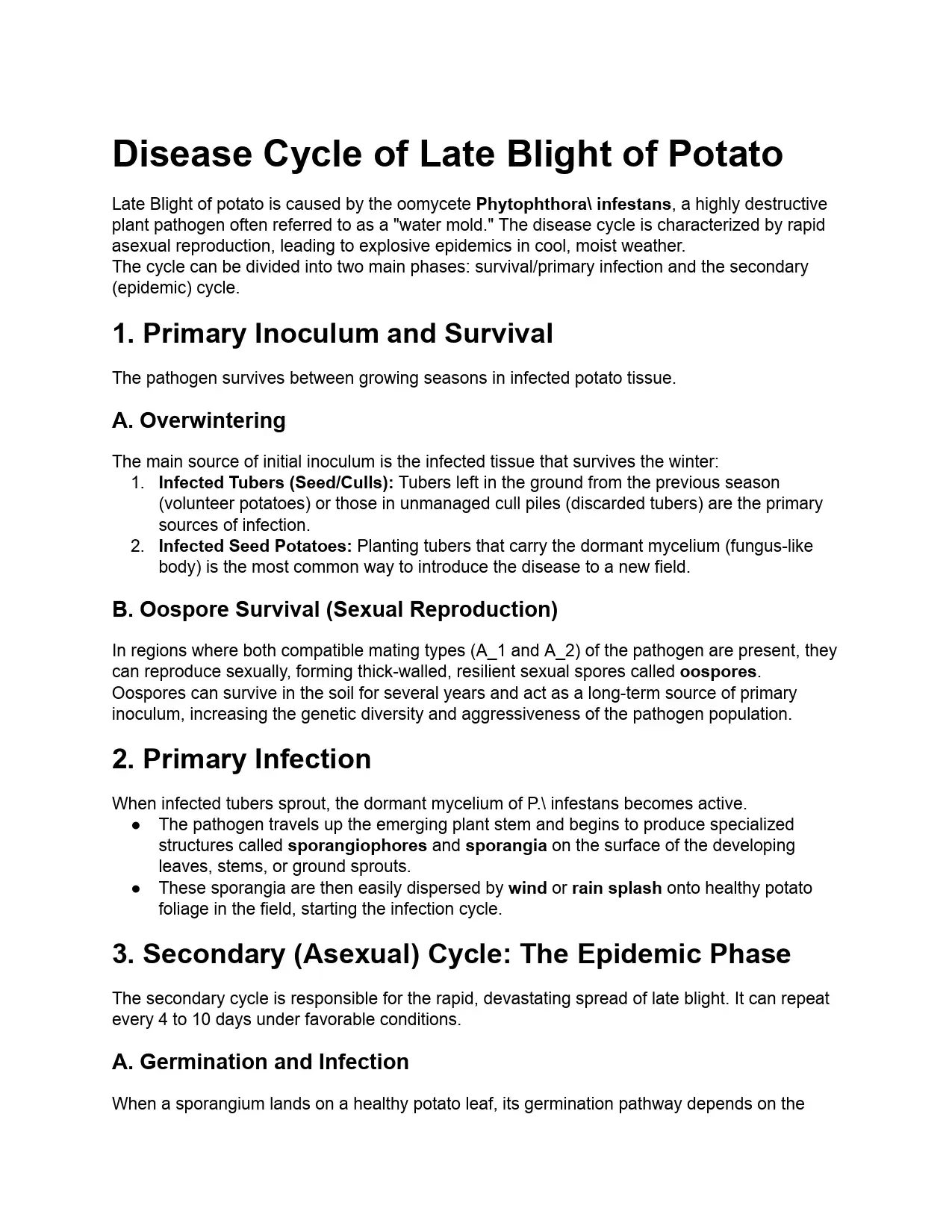
Details the disease cycle of late blight in potatoes caused by Phytophthora infestans, including survival through infected tubers and oospores, primary and secondary infection phases, rapid epidemic spread, dispersal mechanisms, and impact on crops.
by Aleena Parvez | Nov 7, 2025
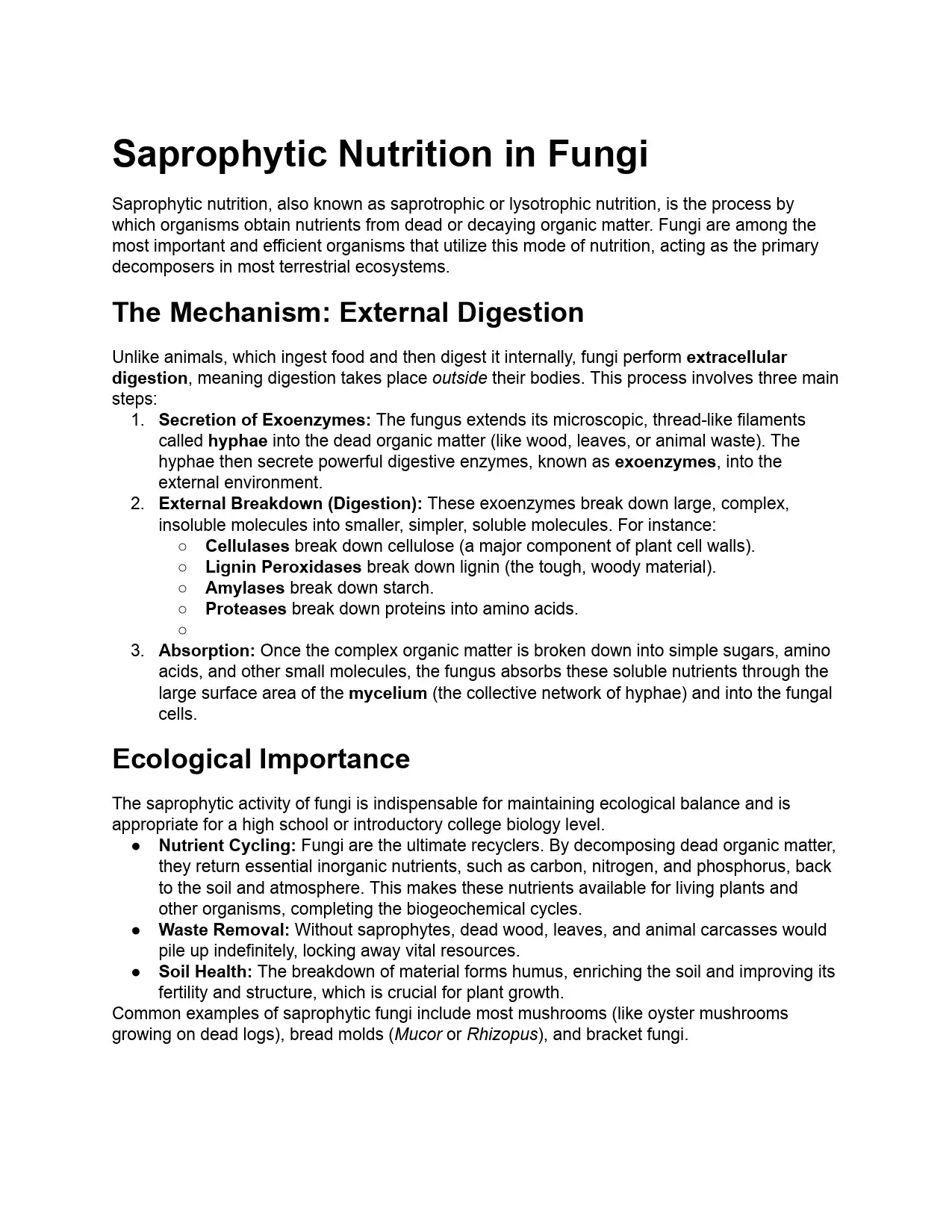
Discusses how fungi obtain nutrients by extracellular digestion of dead organic matter through secretion of enzymes, absorption via hyphae, and their ecological role as primary decomposers aiding nutrient cycling and soil fertility.
by Aleena Parvez | Nov 7, 2025
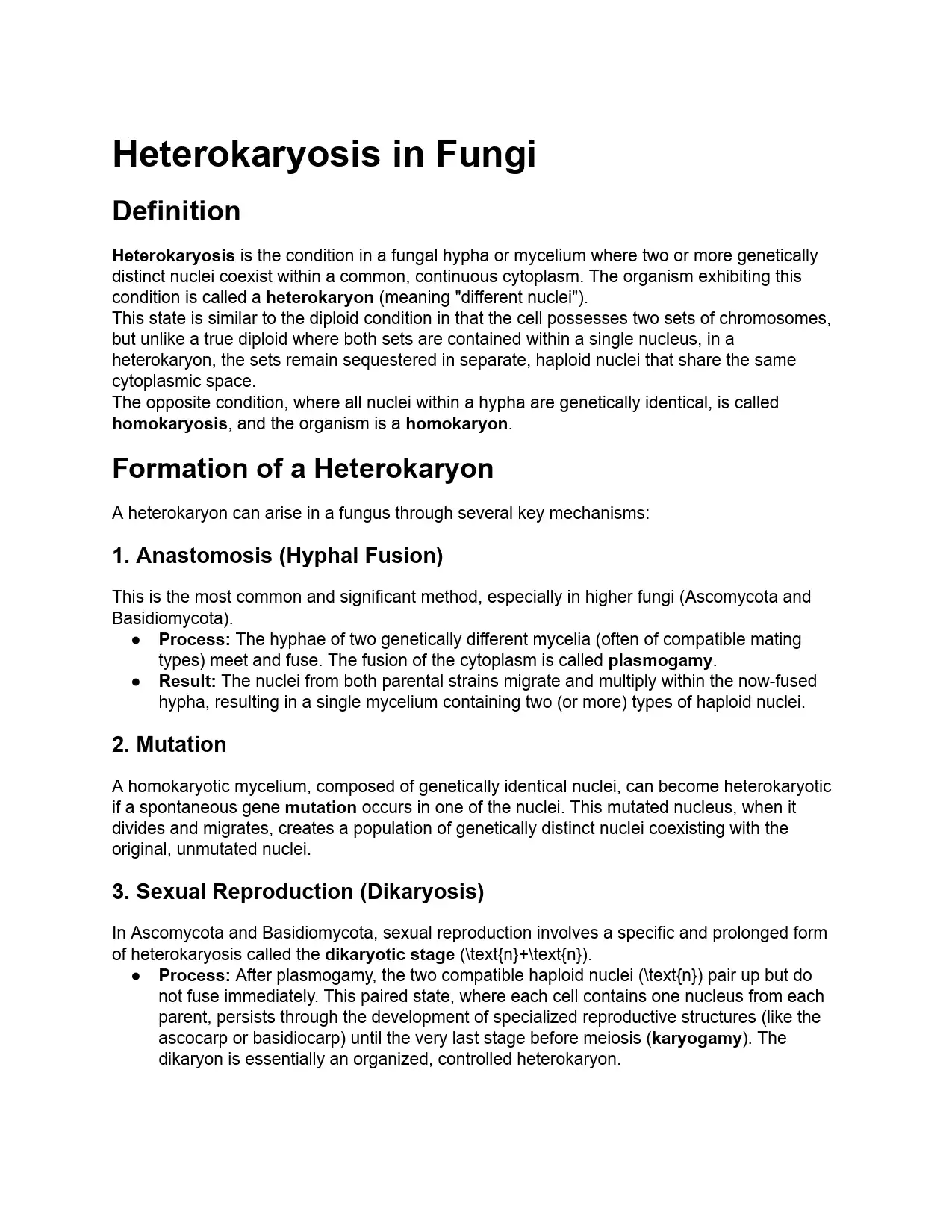
Defines heterokaryosis as the coexistence of genetically distinct nuclei in a fungal mycelium, describes its formation through hyphal fusion, mutation, and sexual reproduction, and explains its significance for genetic variation, fungal adaptability, and pathogenicity.
by Aleena Parvez | Nov 7, 2025
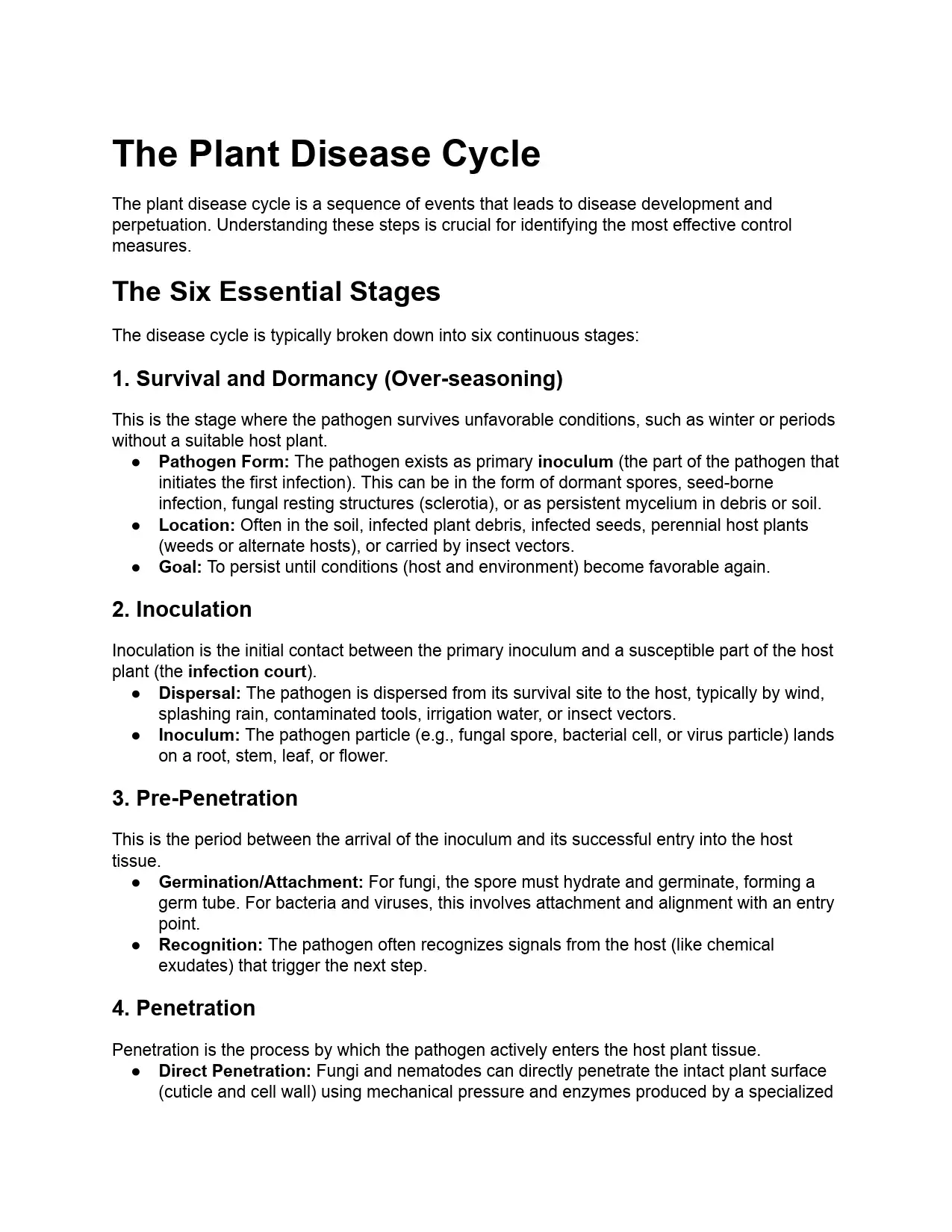
This document explains the six essential stages in the plant disease cycle including survival, inoculation, penetration, infection, colonization, and reproduction. It also highlights the disease triangle concept crucial for understanding conditions necessary for disease development and control.
