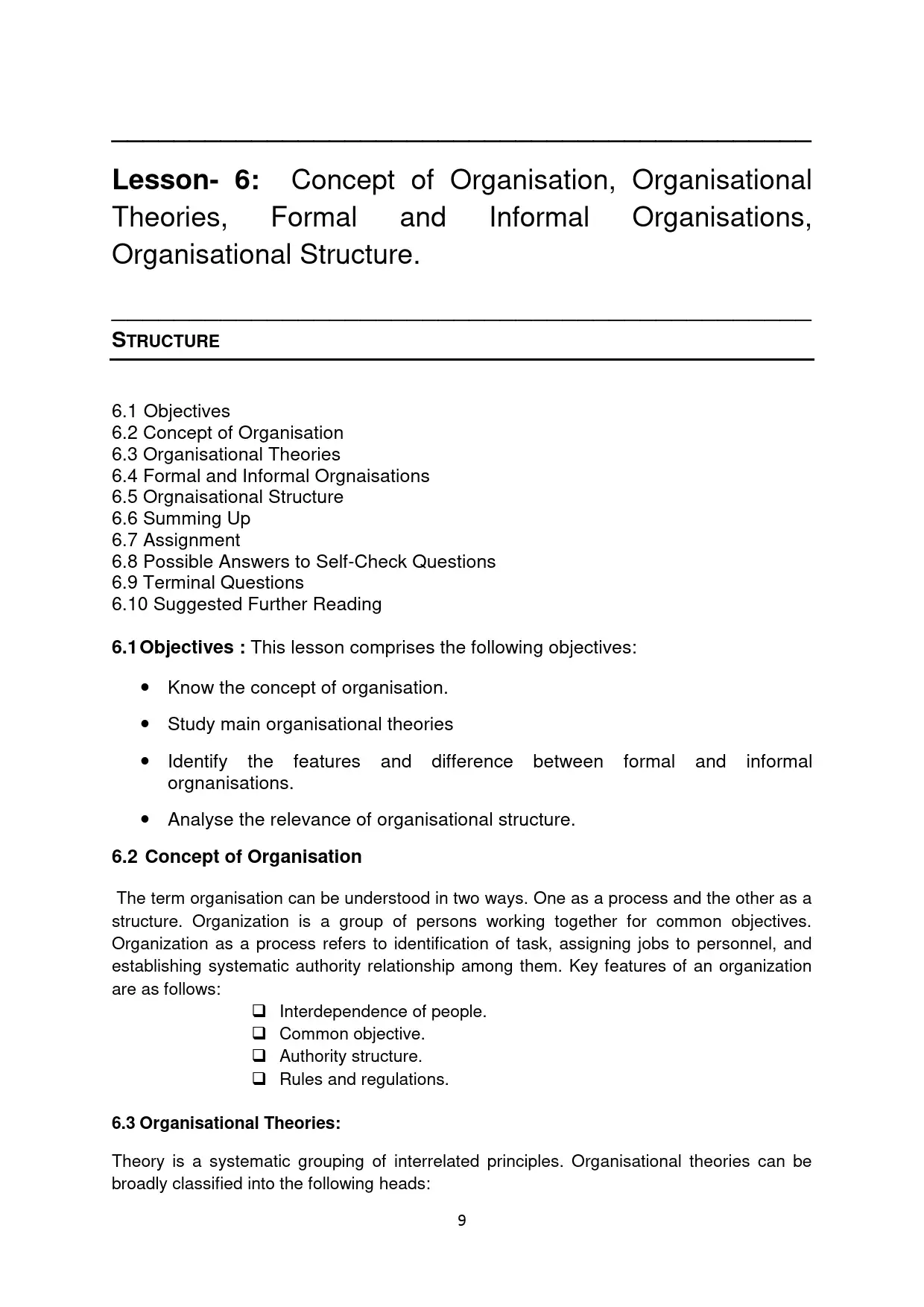
by Yash Sharma | Sep 19, 2025
Discusses organizational concepts, theories (Classical, Neo-Classical, Modern), formal vs informal organizations, and organizational structure design. Covers factors affecting structure including environment, strategy, technology.
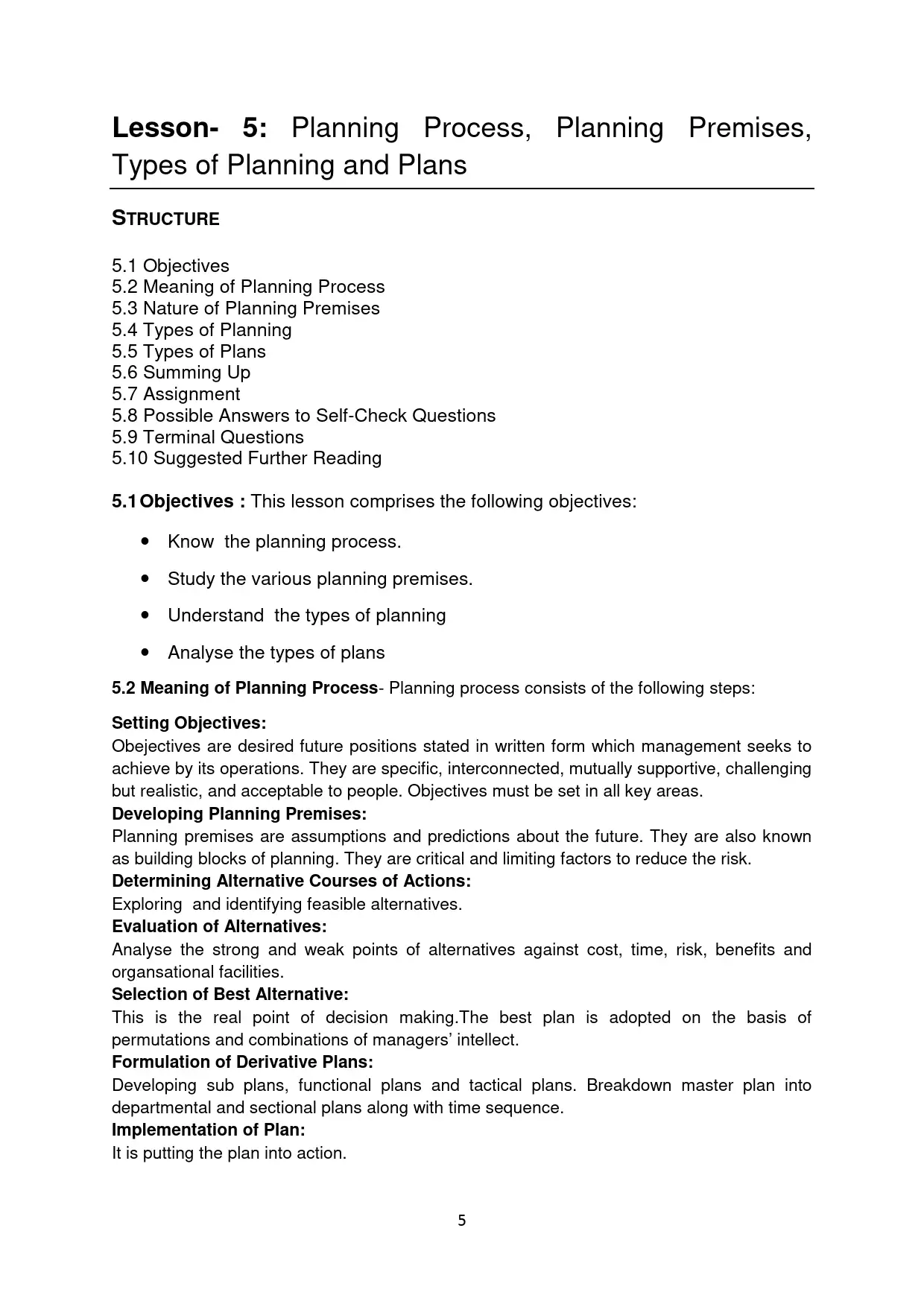
by Yash Sharma | Sep 19, 2025
Explains planning process steps, planning premises, types of planning, and various plan types. Details systematic approach from objective setting to implementation, covering internal/external premises and plan categories.
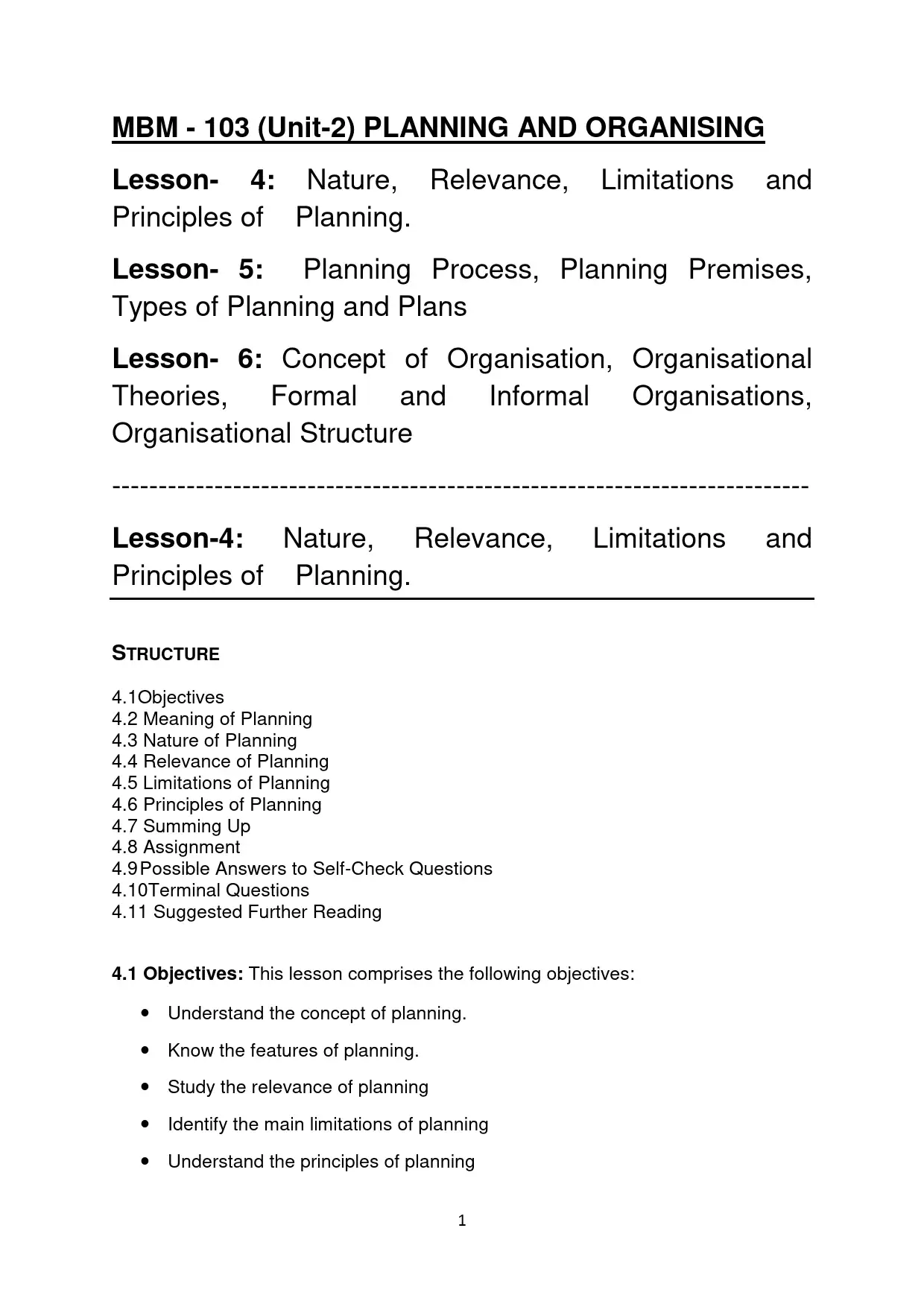
by Yash Sharma | Sep 19, 2025
Covers planning fundamentals including nature, relevance, limitations, and principles of planning. Explains planning as foundation of management, its characteristics, importance for organizational effectiveness, and key principles for successful implementation.

by Jayant Pratap Singh | Mar 24, 2025
Marketing Management is the process of planning, organizing, directing, and controlling an organization’s marketing resources and activities to achieve desired business goals. It involves identifying consumer needs, designing products and services to meet those needs, setting prices, promoting offerings, and distributing them effectively to target customers. Marketing management combines both art and science, using creativity and data-driven strategies to build strong customer relationships and maximize return on investment (ROI). It plays a critical role in driving sales, brand awareness, and long-term profitability by aligning marketing efforts with overall organizational objectives.

by Jayant Pratap Singh | Mar 24, 2025
Marketing Management involves planning, organizing, directing, and controlling the activities related to the marketing of goods and services. Its core functions include market research to gather information about consumer needs and market trends, product development to create and improve offerings, pricing strategy to competitively price products while ensuring profitability, and promotion to communicate benefits and persuade customers through advertising, sales, and publicity. Distribution management ensures timely delivery through effective channels, while brand management builds and sustains brand equity. Additionally, sales management oversees sales efforts, and marketing analytics evaluates campaign effectiveness to refine strategies. Together, these functions drive customer satisfaction, business growth, and competitive advantage.
