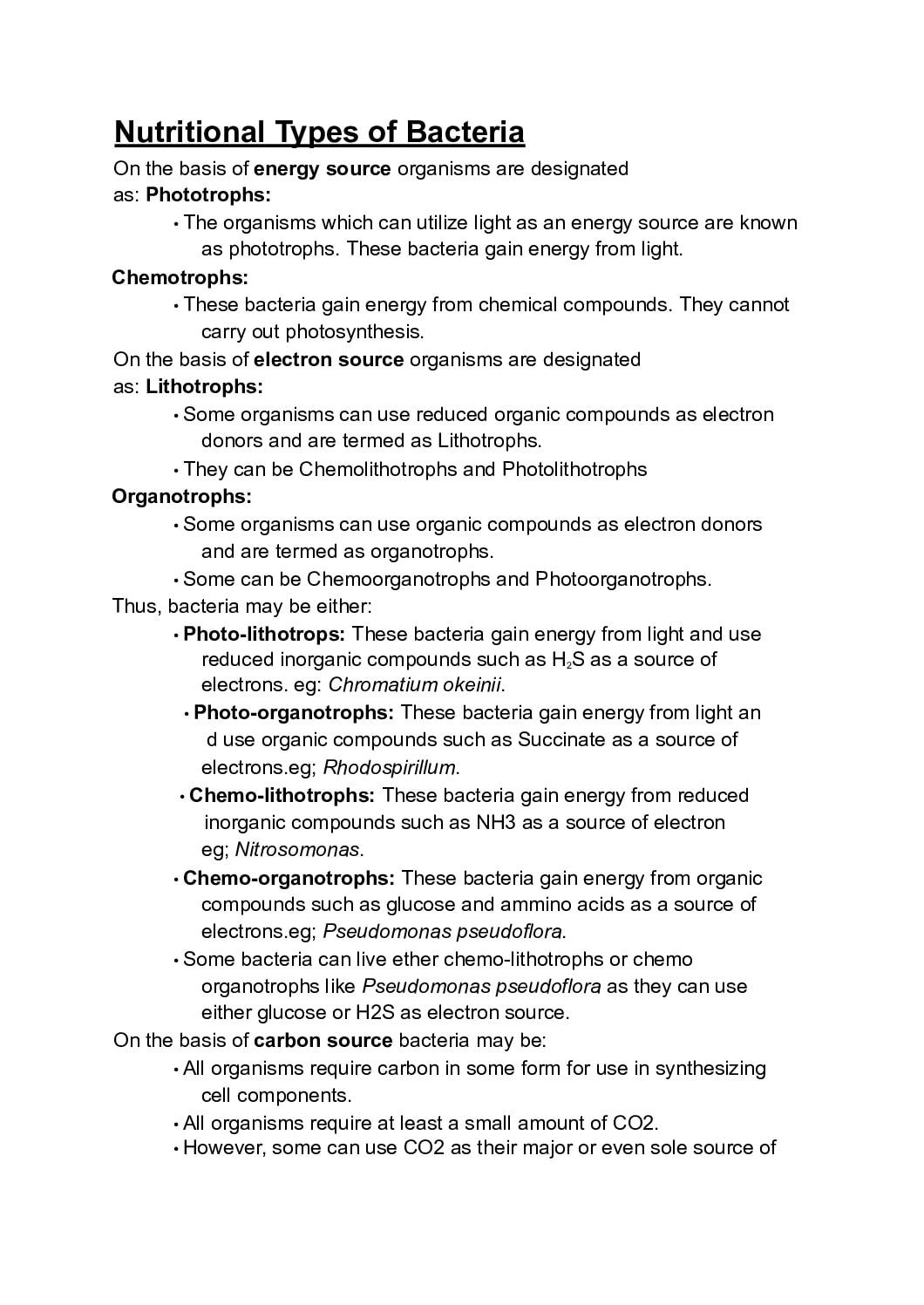
Classification of bacteria based on nutritional requirements and energy sources including autotrophs (CO₂ only carbon source, chemolithotrophic/photosynthetic energy), heterotrophs (organic carbon), lithotrophs (inorganic chemical energy), phototrophs (light energy), with examples of each type. Covers metabolic strategies, growth requirements, and ecological roles in nutrient cycling.
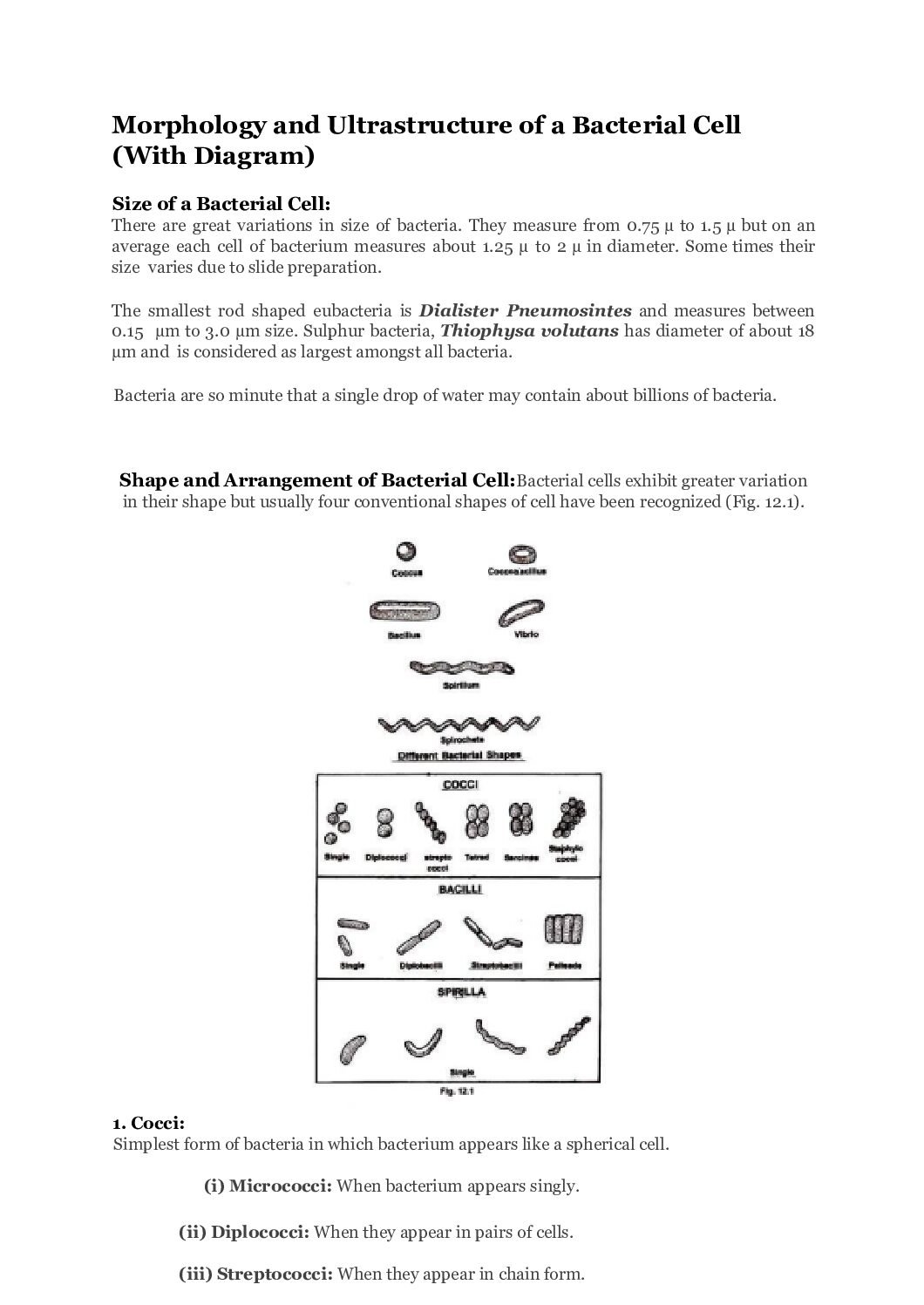
Comprehensive study of bacterial cell structure and organization including external structures (flagella, pili, cell wall, capsule), cell wall composition (peptidoglycan, gram-positive/negative differences), cytoplasm and ribosomes, nucleoid (genetic material organization), inclusions, and internal structures with electron microscopy details. Covers morphological classification (cocci, bacilli, spirilla) and cellular functions.
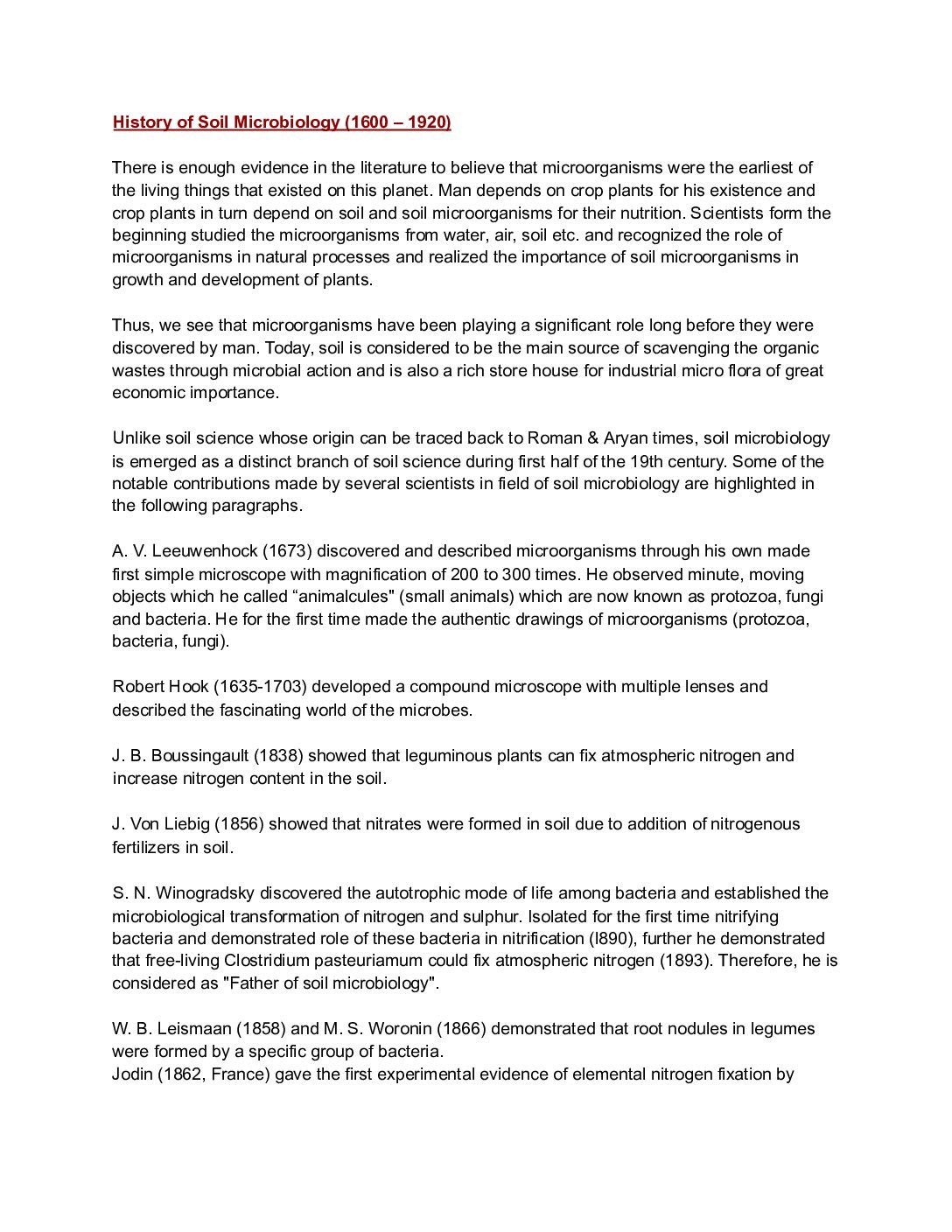
Comprehensive chronological history from Leeuwenhoek (1673) through 20th century covering soil microbiology development, pioneering scientists (Winogradsky-nitrification, Beijerinck-enrichment culture, Fleming-penicillin), nitrogen fixation discovery (rhizobia, free-living Azotobacter), mycorrhiza research, soil ecology concepts, and modern soil microbiological applications in agriculture and sustainability.
Detailed study of plasmids (circular extrachromosomal DNA) and transposons (mobile DNA elements), including plasmid types (F/R/Col plasmids), properties (replication, conjugation), applications in genetic engineering (vectors, selection markers), transposon structure (IS elements, Tn elements), mechanisms of transposition, mutagenesis potential, and biotechnological applications in gene cloning.