by Yash Sharma | Nov 7, 2025
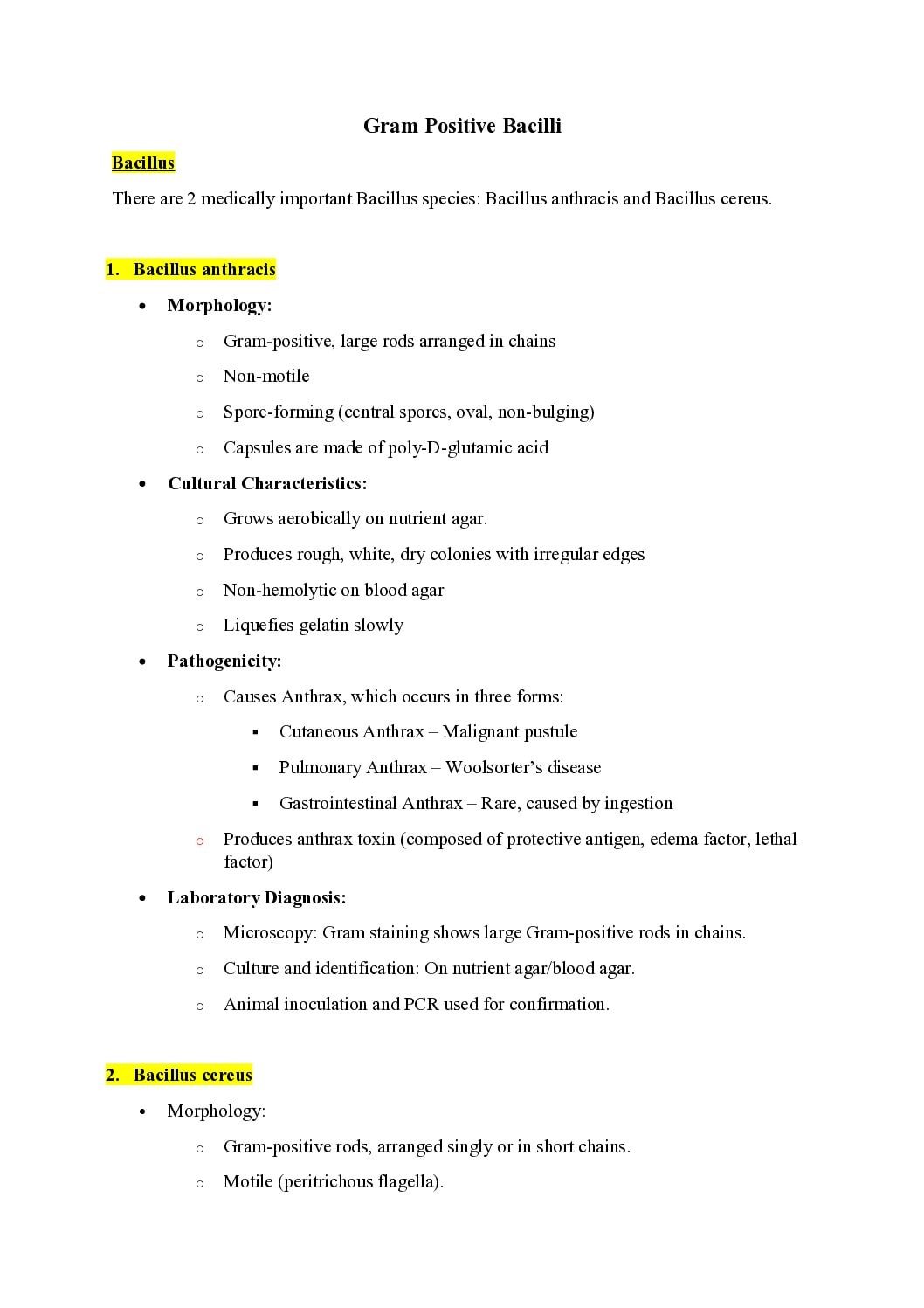
Medically important gram-positive bacilli: Bacillus species (anthracis-anthrax, cereus-food poisoning), Clostridium species (tetani-tetanus, botulinum-botulism, perfringens, difficile). Details morphology, spore formation, pathogenicity, toxin mechanisms, lab diagnosis.
by Yash Sharma | Nov 7, 2025
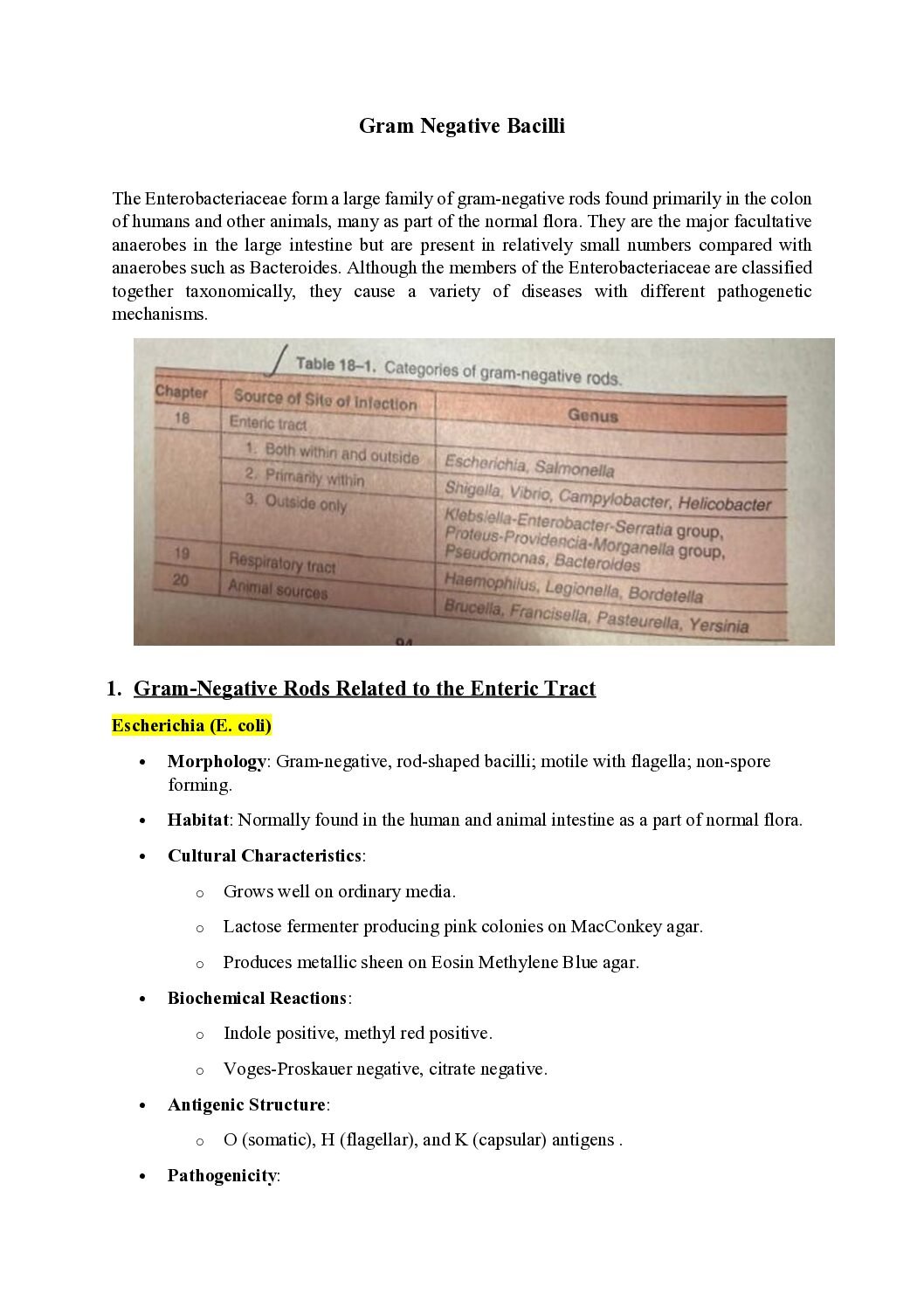
Medically important gram-negative bacilli: Enterobacteriaceae (E. coli, Salmonella), respiratory organisms (Haemophilus, Legionella, Bordetella), zoonotic pathogens (Brucella, Yersinia, Pasteurella). Covers morphology, cultural characteristics, biochemical reactions, antigenic structure, pathogenicity, lab diagnosis.
by Yash Sharma | Nov 7, 2025
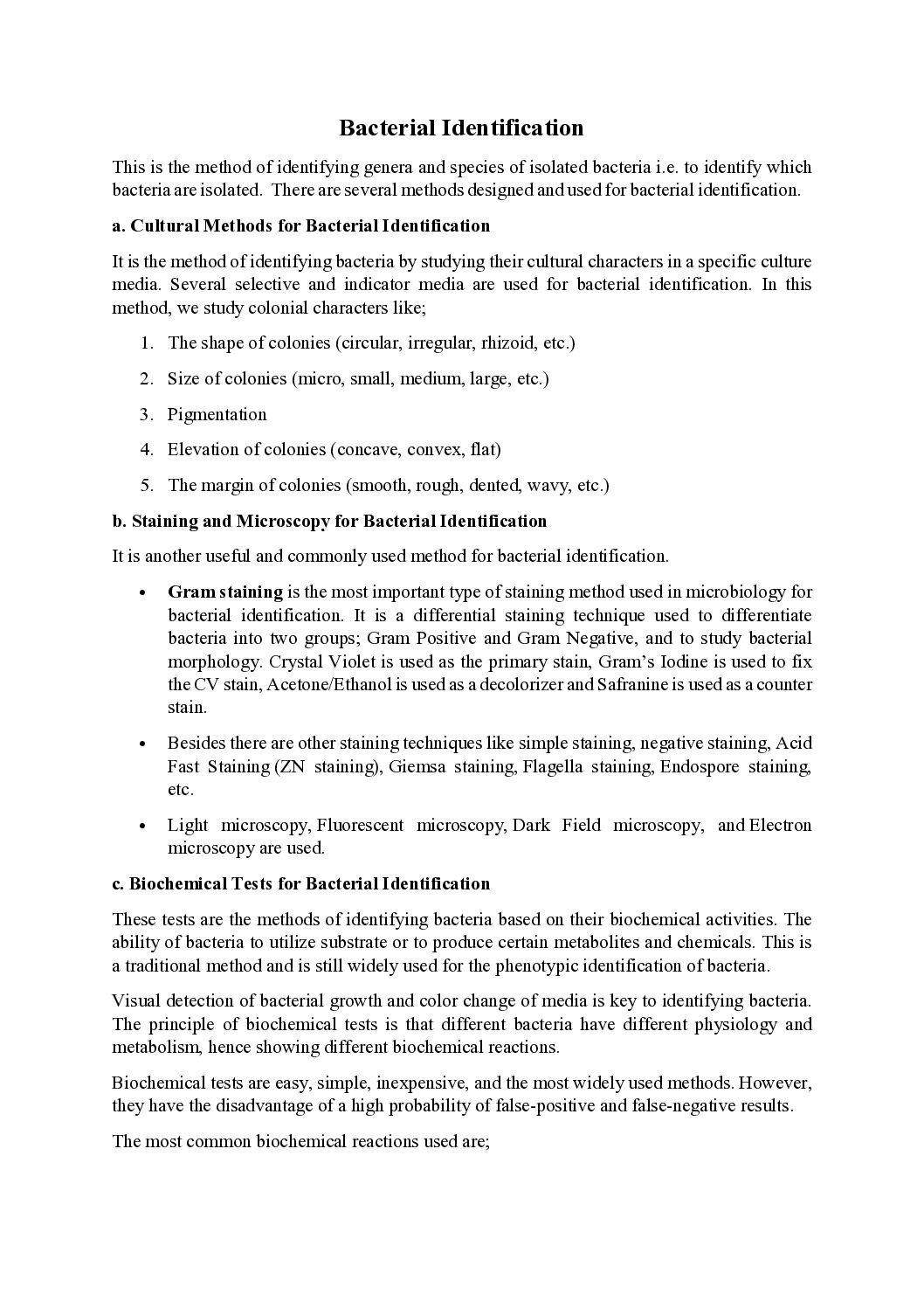
Comprehensive bacterial identification methods: cultural, staining, microscopy, biochemical, molecular, immunological approaches. Details Gram staining, colony characteristics, biochemical tests (indole, MR, VP, citrate, urease, TSI), PCR, DNA probes, ELISA. Traditional phenotypic and modern genomic classification.