
Leadership Theories and Styles
Explores leadership concepts, features, styles (autocratic, democratic, laissez-faire), and theories including Great Man, Trait, Behavioral, and Path-Goal theories. Emphasizes influencing others for goal achievement.

Explores leadership concepts, features, styles (autocratic, democratic, laissez-faire), and theories including Great Man, Trait, Behavioral, and Path-Goal theories. Emphasizes influencing others for goal achievement.

Covers motivation concepts, characteristics, and theories including Maslow’s hierarchy, Herzberg’s two-factor theory, Theory X/Y/Z, expectancy theory, and equity theory. Focuses on human behavior motivation.
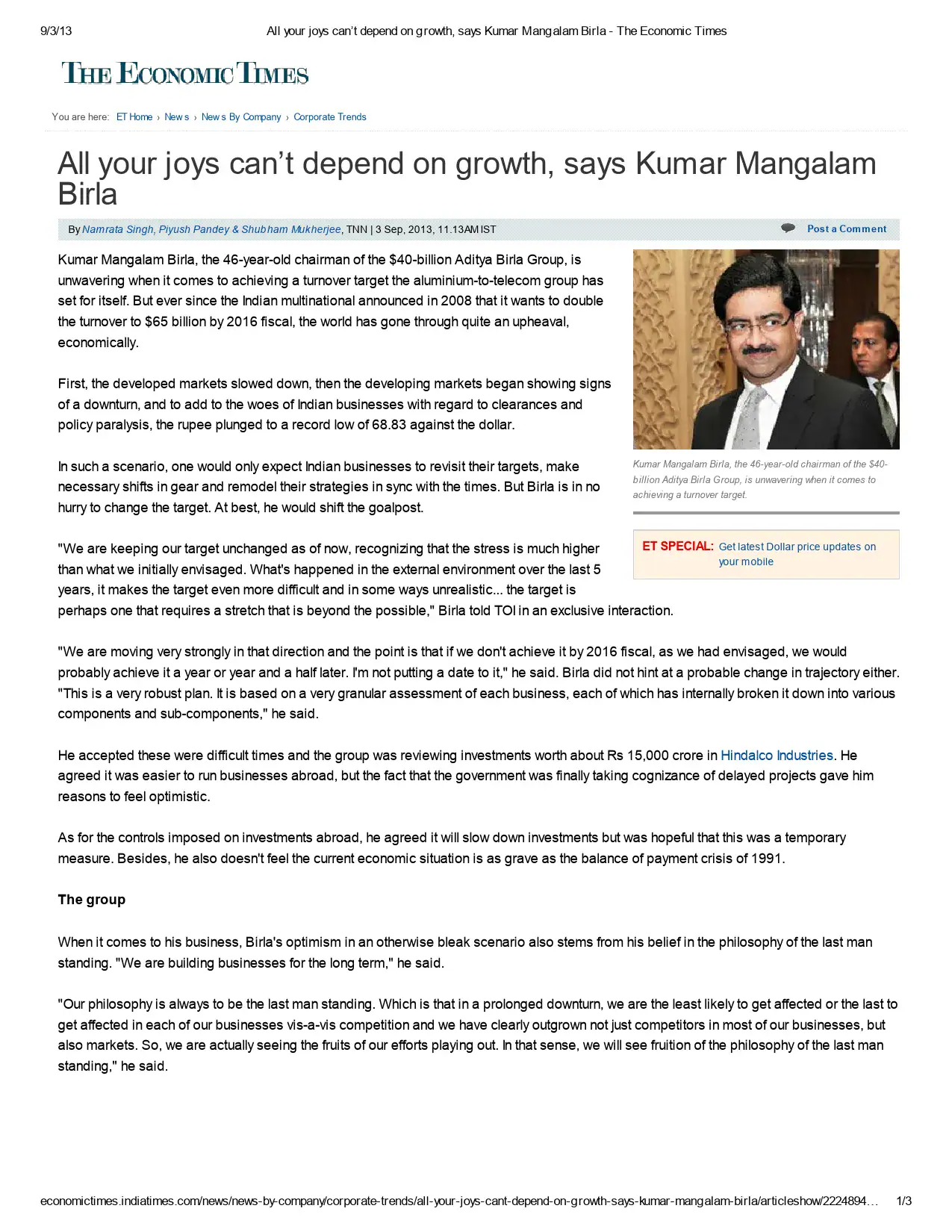
These notes comprises Kumar Mangalam Birla interview discussing Aditya Birla Group’s $65 billion turnover target by 2016, “last man standing” philosophy during economic downturn, dynamic nurturance strategy across diverse businesses (cement, telecom, retail), banking license aspirations, and emphasis on long-term value creation over short-term growth pressures for sustainable business building.
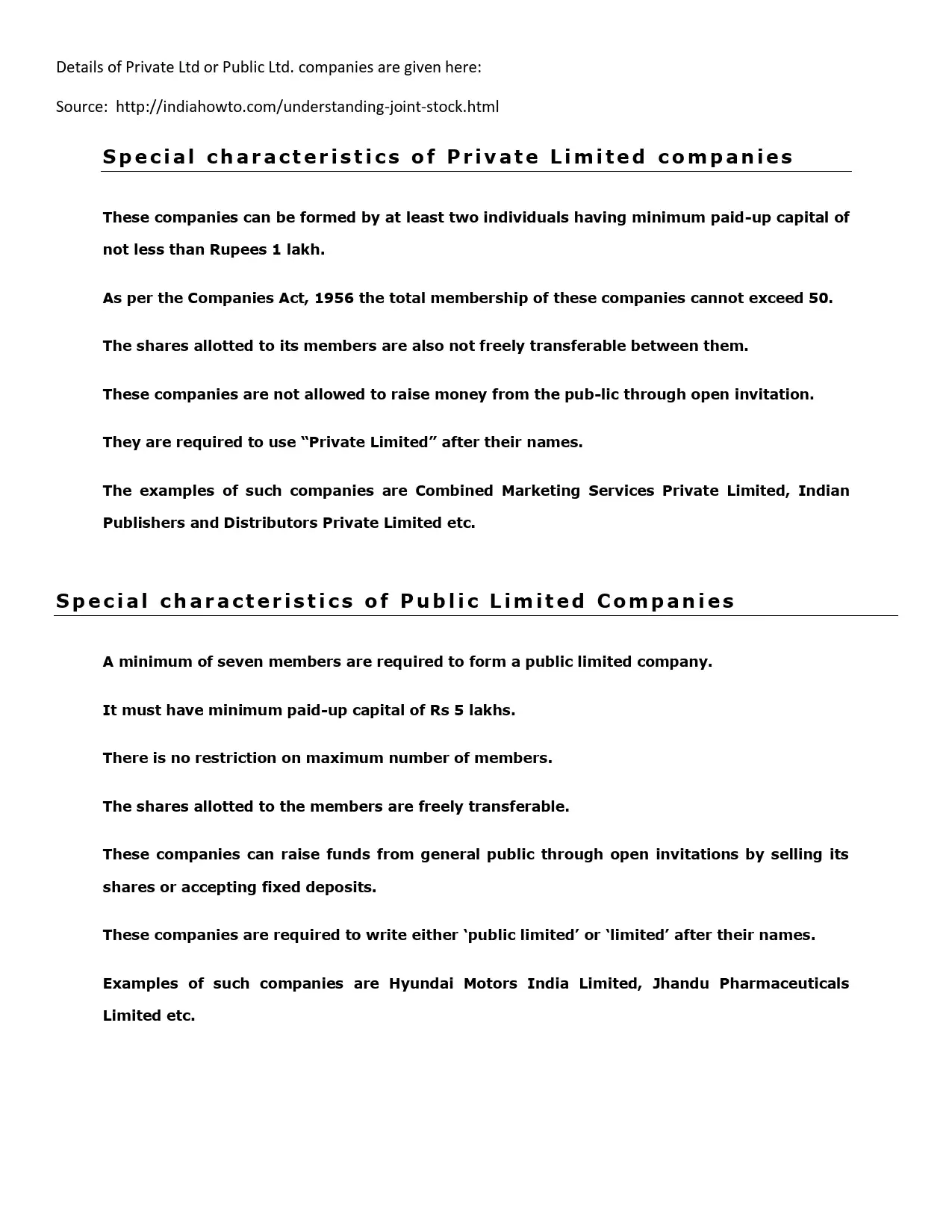
This documents gives comparison between Private Limited and Public Limited companies in India. Private Ltd: minimum 2 members, maximum 50, ₹1 lakh paid-up capital, non-transferable shares, no public fundraising. Public Ltd: minimum 7 members, no maximum limit, ₹5 lakh paid-up capital, freely transferable shares, can raise public funds through share offerings.

Four cornerstones of corporate finance by McKinsey: core-of-value (growth and ROIC drive value creation), conservation-of-value (rearranging claims doesn’t create value), expectations treadmill (market expectations drive performance), and best-owner (value depends on management capabilities). Critiques financial engineering, excessive leverage, and emphasizes timeless economic principles for sustainable value creation.