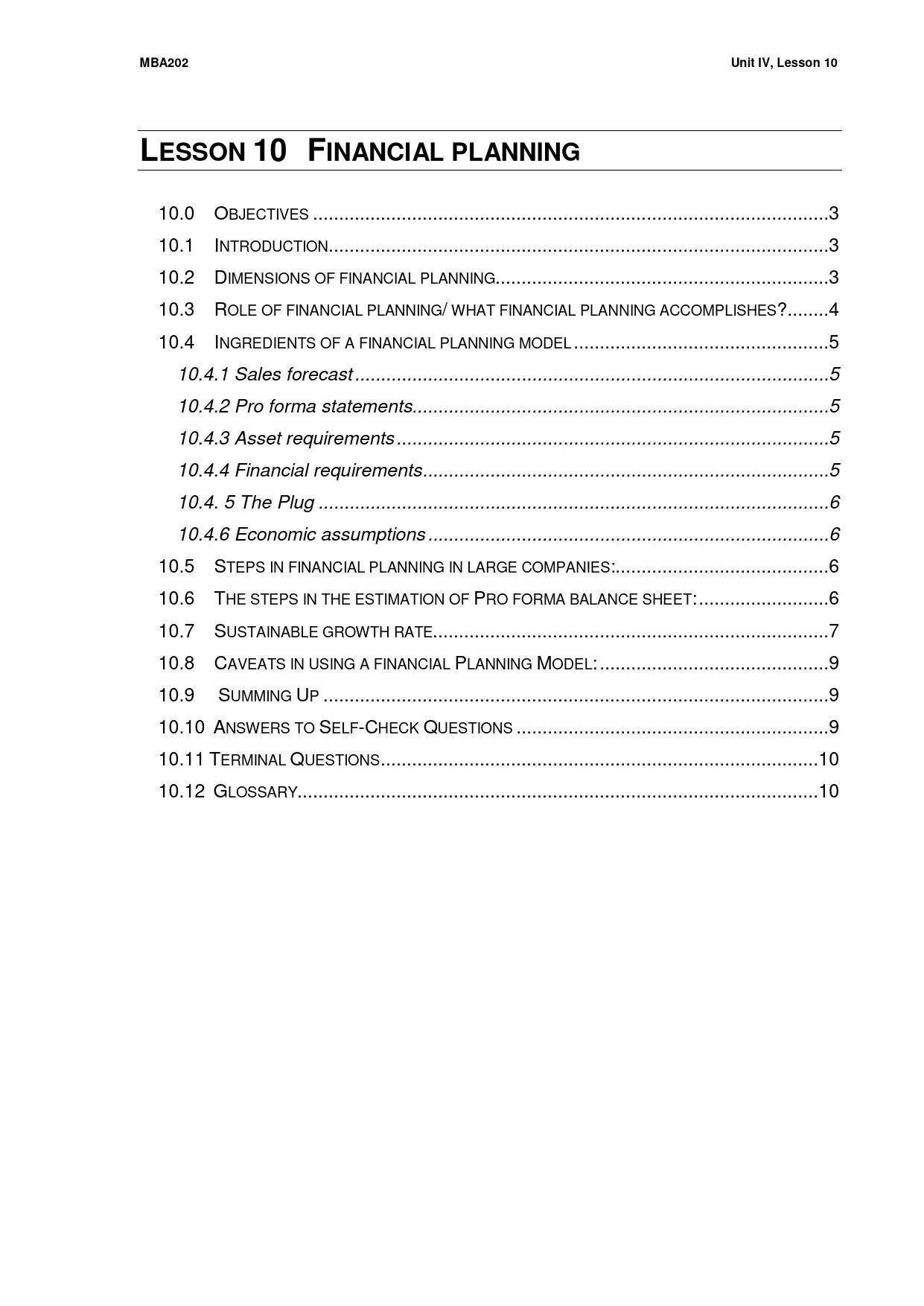
The lesson covers financial planning models, key dimensions, sustainable growth rate, scenario analysis, sales forecasting, pro forma statements, and steps for preparing financial plans and projected balance sheets. It focuses on best practices and caveats in planning, ensuring companies understand funding needs, risk assessment, and the impact of external and internal growth strategies in decision-making.
E-business and globalisation covering nature of e-business (end-to-end processes), e-business vs e-commerce, models (B2B, B2C, C2C, C2B), impediments to e-business (strategy, financial, technology concerns), e-business applications, strategy and structure, globalisation of Indian business through IT/BPO/KPO.
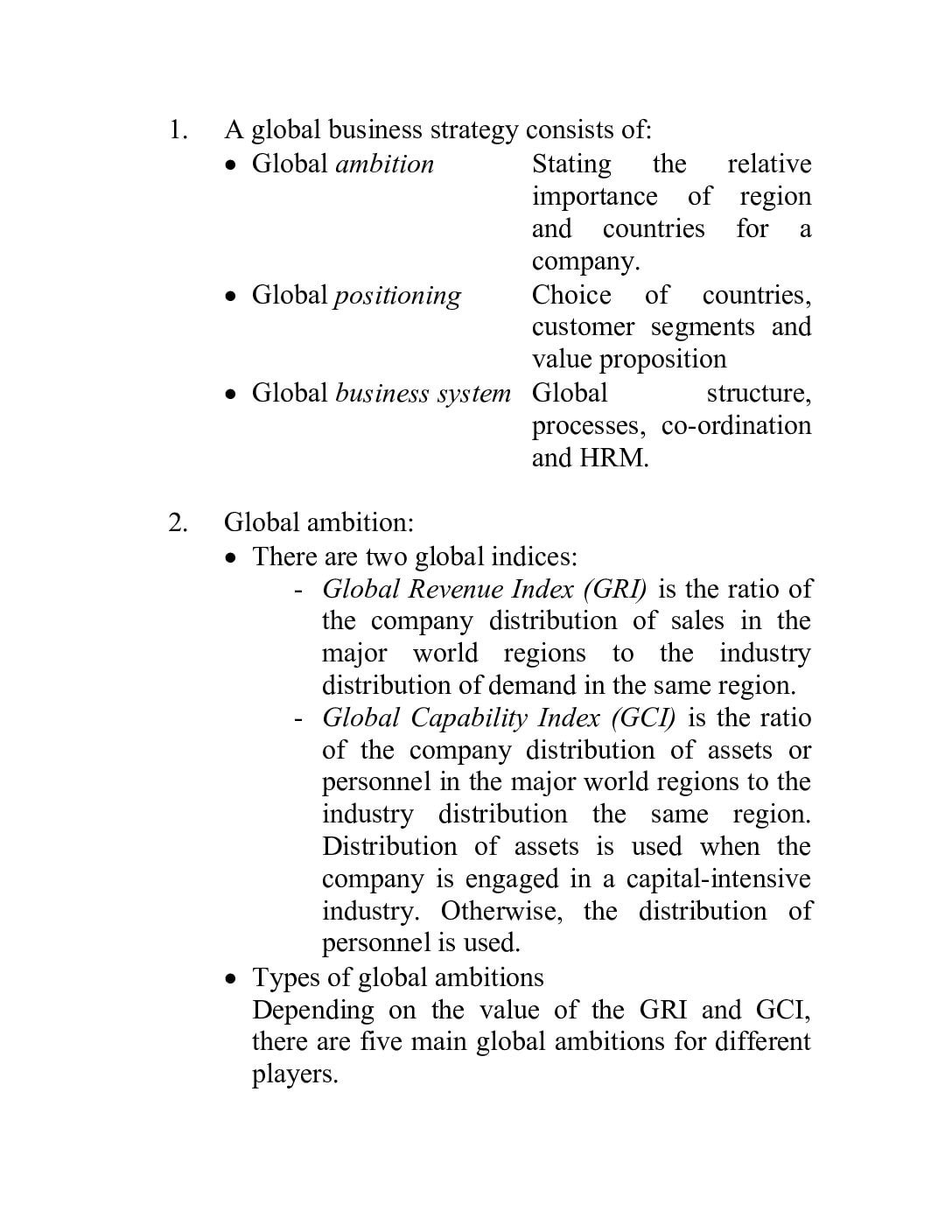
Global business strategy covering global ambition (GRI, GCI indices, types of global players), global positioning (choice of countries, value proposition, standardization), global business system (value chain elements, capabilities), global organization (structure, processes, coordination, HRM), global corporate strategy.
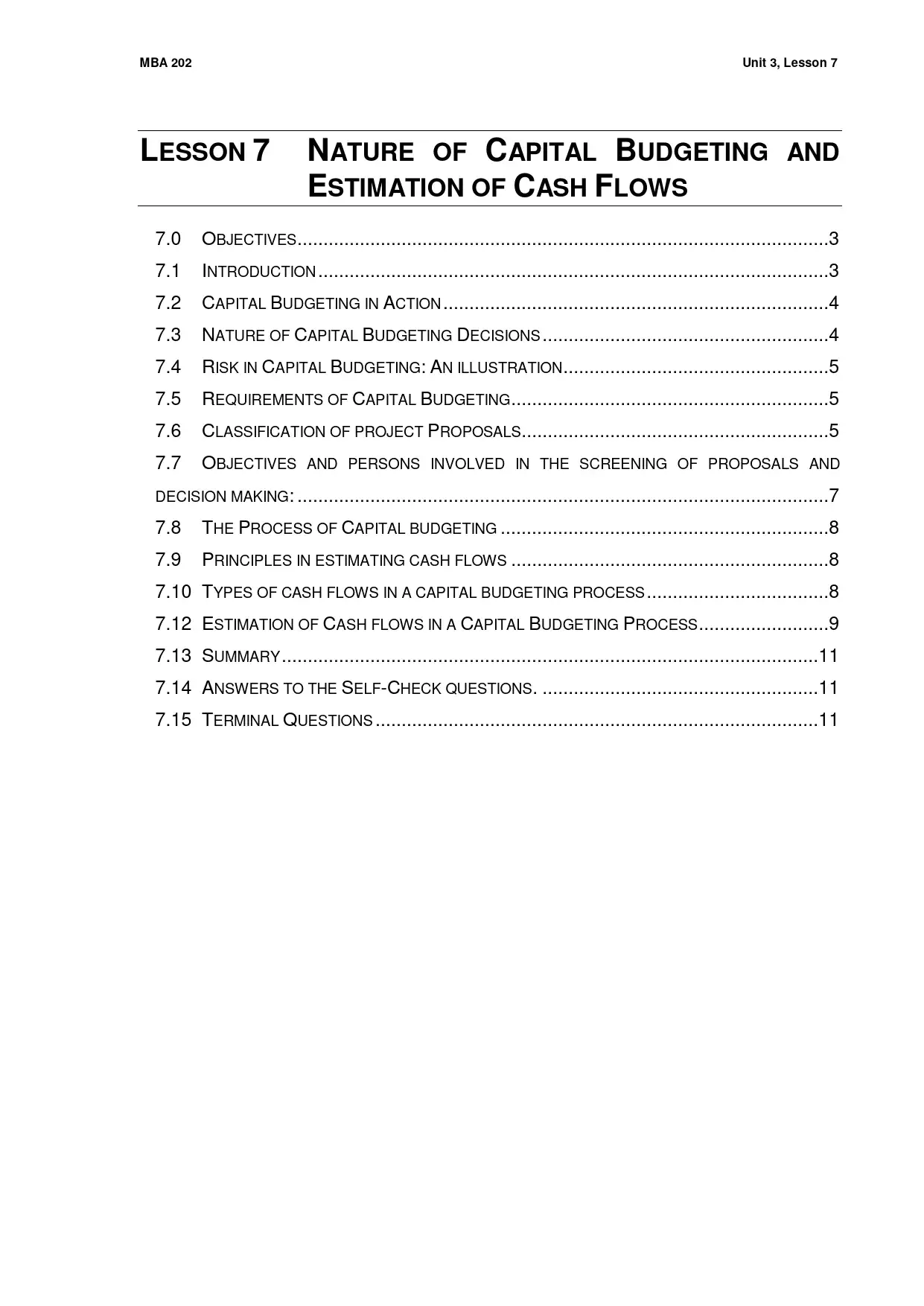
This lesson introduces capital budgeting concepts, the process of evaluating long-term investments, risk illustration, types and classification of project proposals, and stepwise procedures in project screening. It focuses on cash flow estimation methods—initial, net, and terminal—various principles for accurate projection, and offers real-world case examples showing the importance of analyzing sector performance, technological changes, and financial impacts when selecting projects
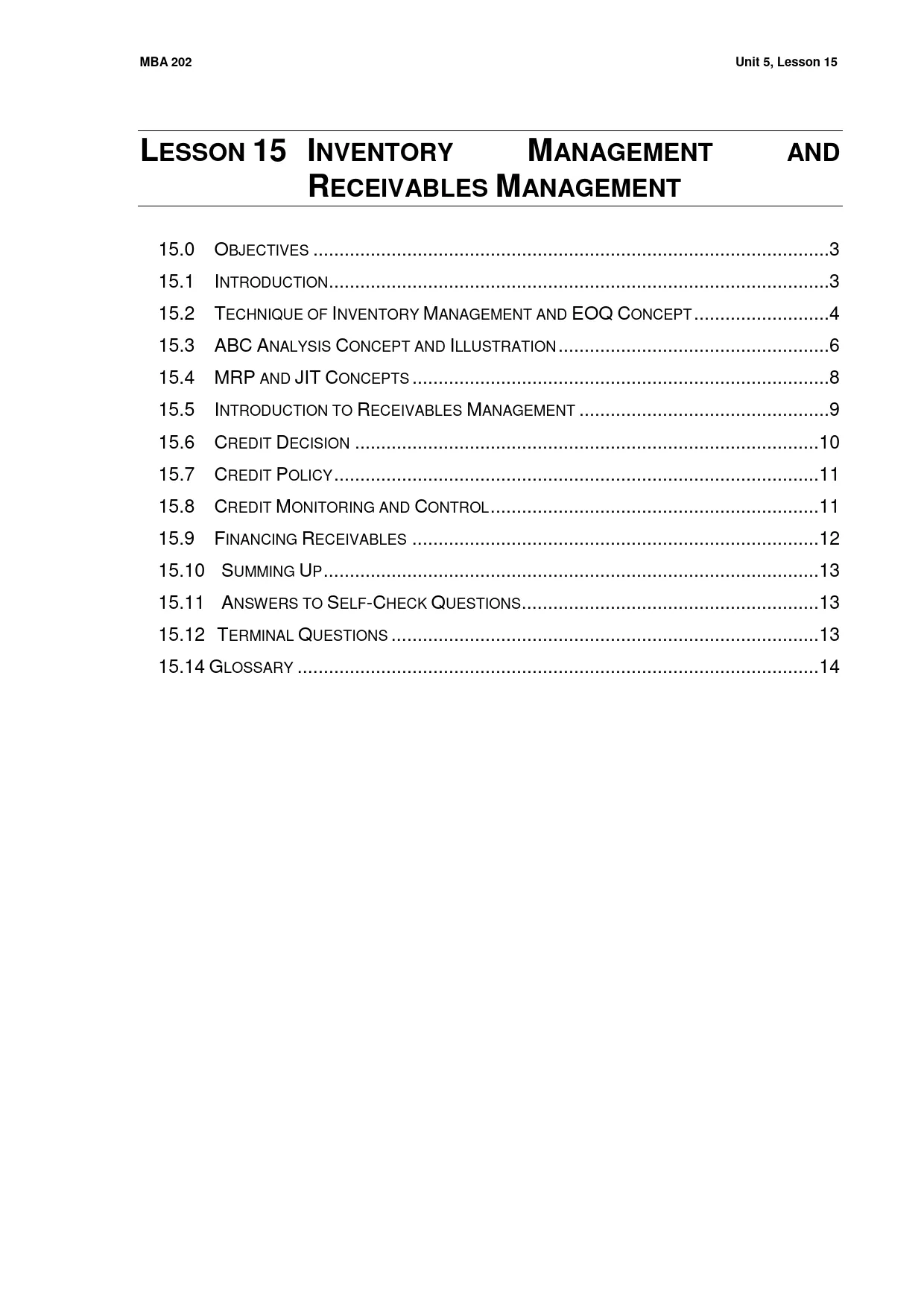
This lesson covers techniques and theory for inventory and receivables management, such as EOQ, ABC Analysis, JIT, MRP, credit decision-making, policy design, credit monitoring, and financing options for receivables. It presents practical formulas, illustrations, and decision frameworks for managers.