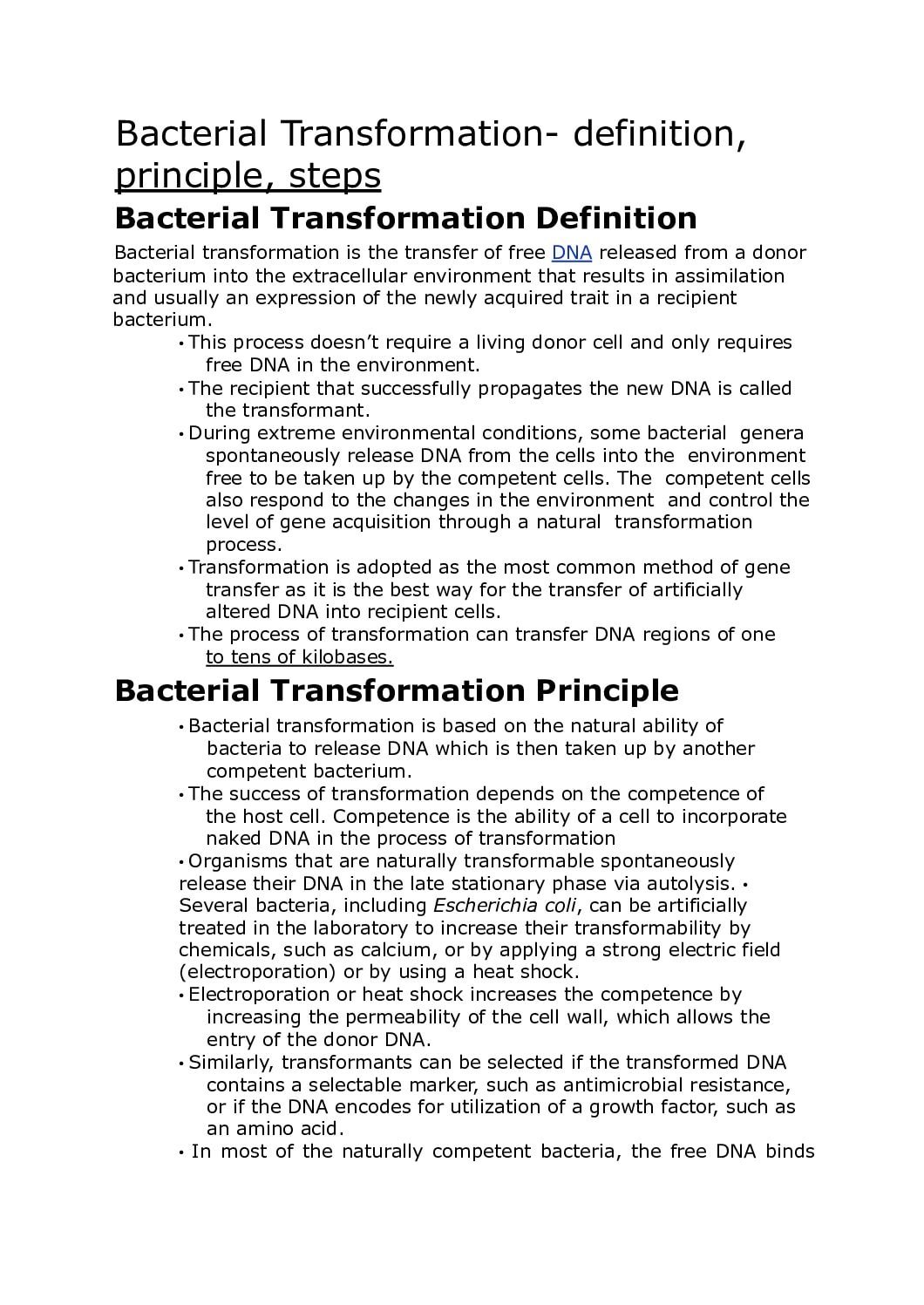
Bacterial Transformation – Natural and Artificial Methods of DNA Transfer

Bacterial Transformation – Natural and Artificial Methods of DNA Transfer

 Detailed study of transformation as horizontal gene transfer mechanism including competence development, natural transformation (in late stationary phase), artificial methods (chemical/CaCl₂, heat shock 42°C, electroporation), DNA binding and uptake mechanisms, chromosomal vs. plasmid integration, selection of transformants using antibiotic markers, and applications in genetic engineering.

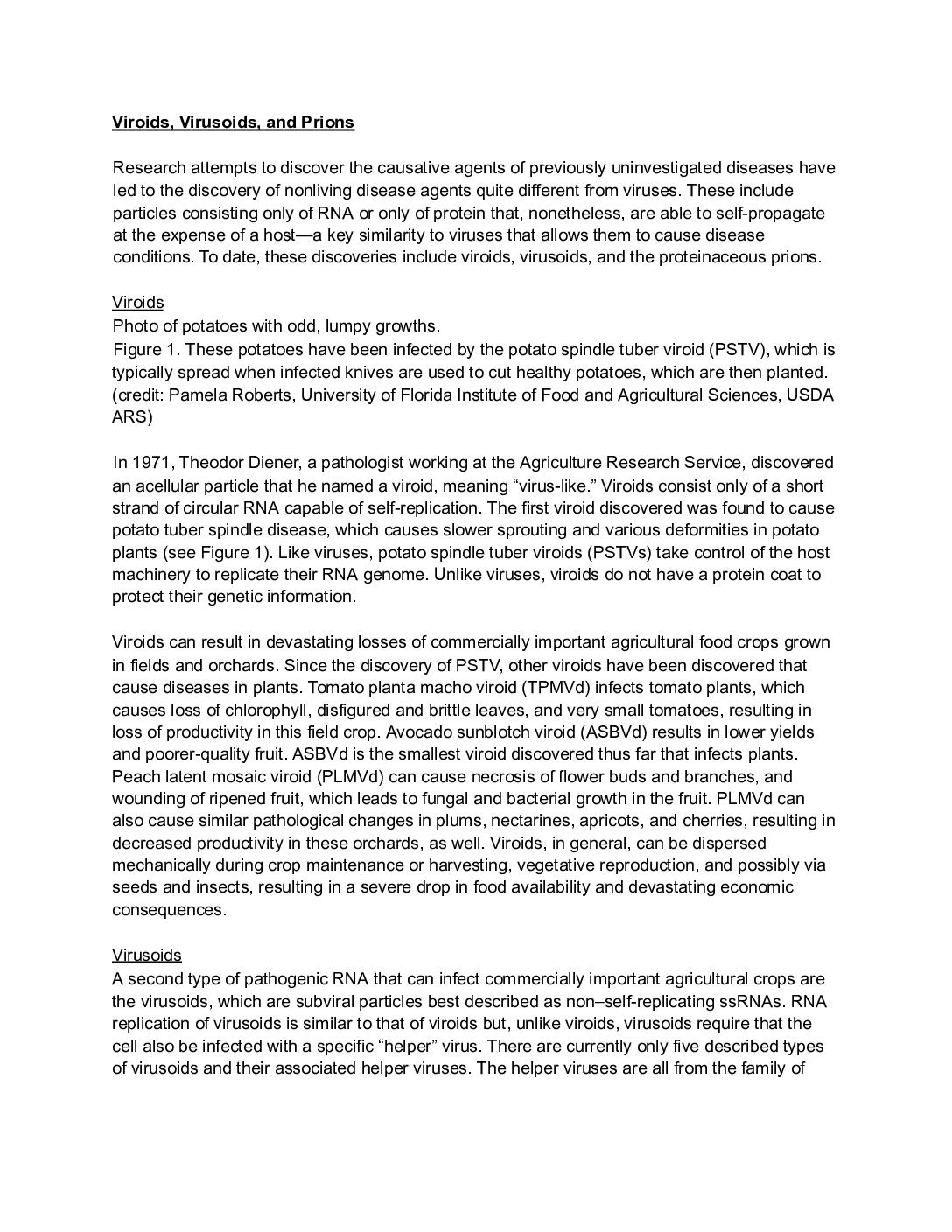
Viroids, Virusoids, and Prions – Unique Infectious Agents Beyond Viruses

Viroids, Virusoids, and Prions – Unique Infectious Agents Beyond Viruses

Comparative study of non-conventional infectious agents: viroids (small circular RNA without protein coat), virusoids (defective RNA requiring plant viruses), and prions (infectious misfolded proteins). Covers structure, mechanism of infection, diseases caused (potato spindle tuber, TSE/mad cow disease), replication without nucleic acid (prions), and diagnostic/preventive measures.

icrobiology practical assignment covering laboratory techniques, experimental procedures, and analysis of microbial identification and culture methods.

icrobiology practical assignment covering laboratory techniques, experimental procedures, and analysis of microbial identification and culture methods.

Student assignment document covering practical microbiology experiments, laboratory techniques, experimental protocols, observations, results analysis, and conclusions. Documents hands-on training in culture media preparation, staining, isolation techniques, identification of microorganisms, and interpretation of laboratory findings.

History of Microbiology – Timeline, Key Discoveries, and Pioneering Scientists

History of Microbiology – Timeline, Key Discoveries, and Pioneering Scientists

Comprehensive historical overview from 1673 (Leeuwenhoek) through modern era covering microscope development (Leeuwenhoek, Robert Hook), microbial classification, germ theory, sterilization techniques (autoclaving), culture media development (Koch), antibiotic discovery (Fleming-Penicillin), and contributions from pioneering microbiologists including Pasteur, Waksman, and others to modern microbiology.