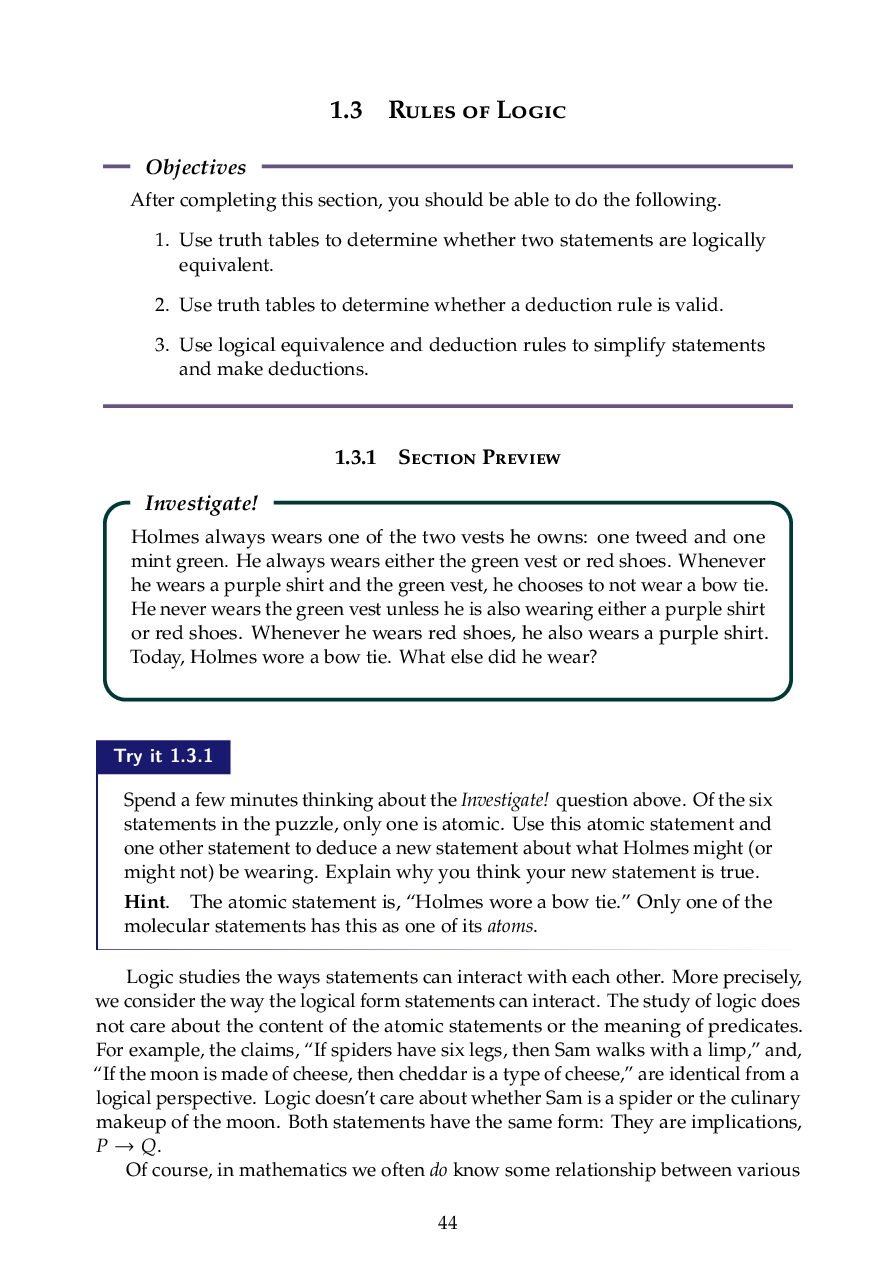
Demonstrates construction of truth tables for complex molecular statements. Defines logical equivalence, tautologies, De Morgan’s laws, double negation, and rules for simplifying logical statements. Shows how to verify equivalences without truth tables.
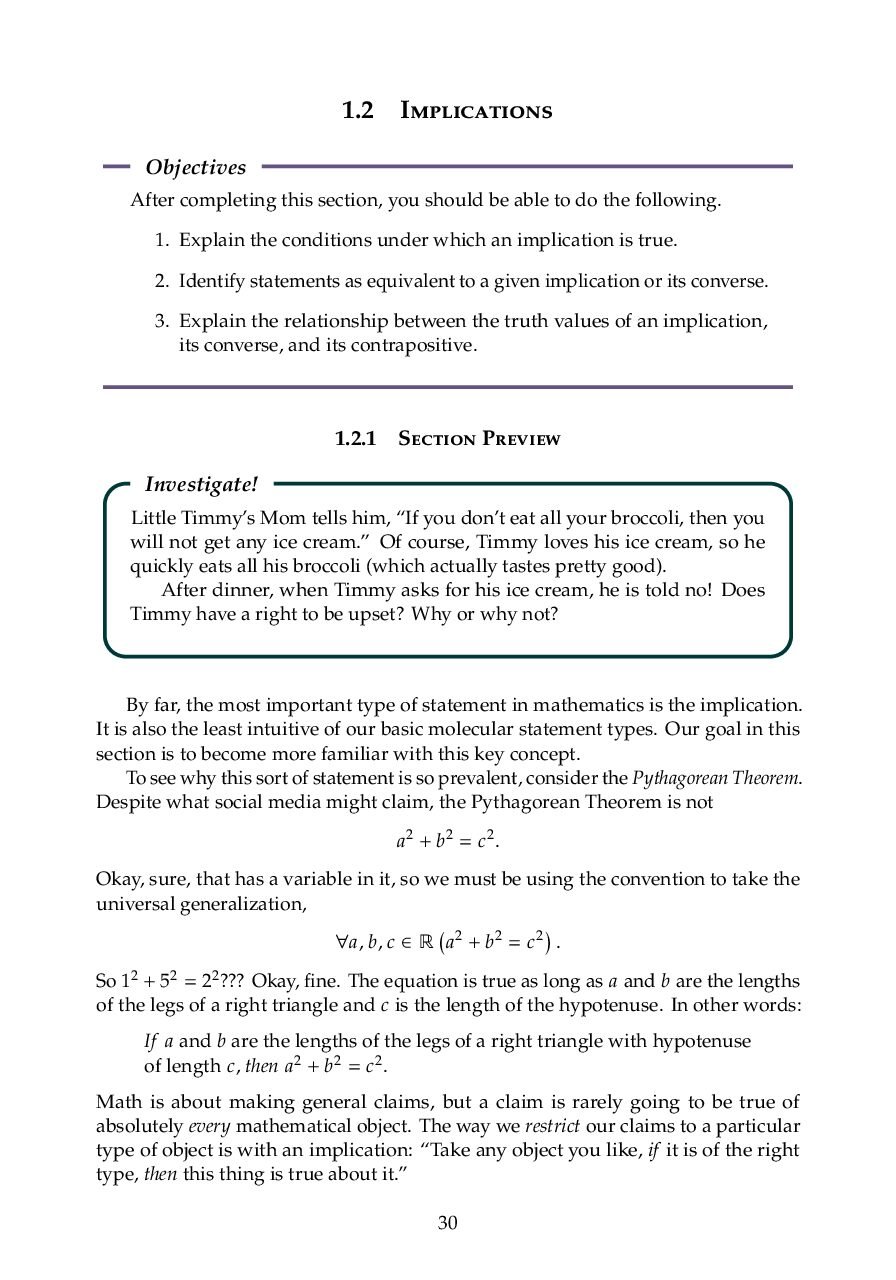
Examines implications (if-then statements), their truth conditions, converse, contrapositive, and inverse. Explores necessary and sufficient conditions, equivalent phrasings of implications, and why implications are fundamental to mathematical theorems like Pythagorean Theorem.
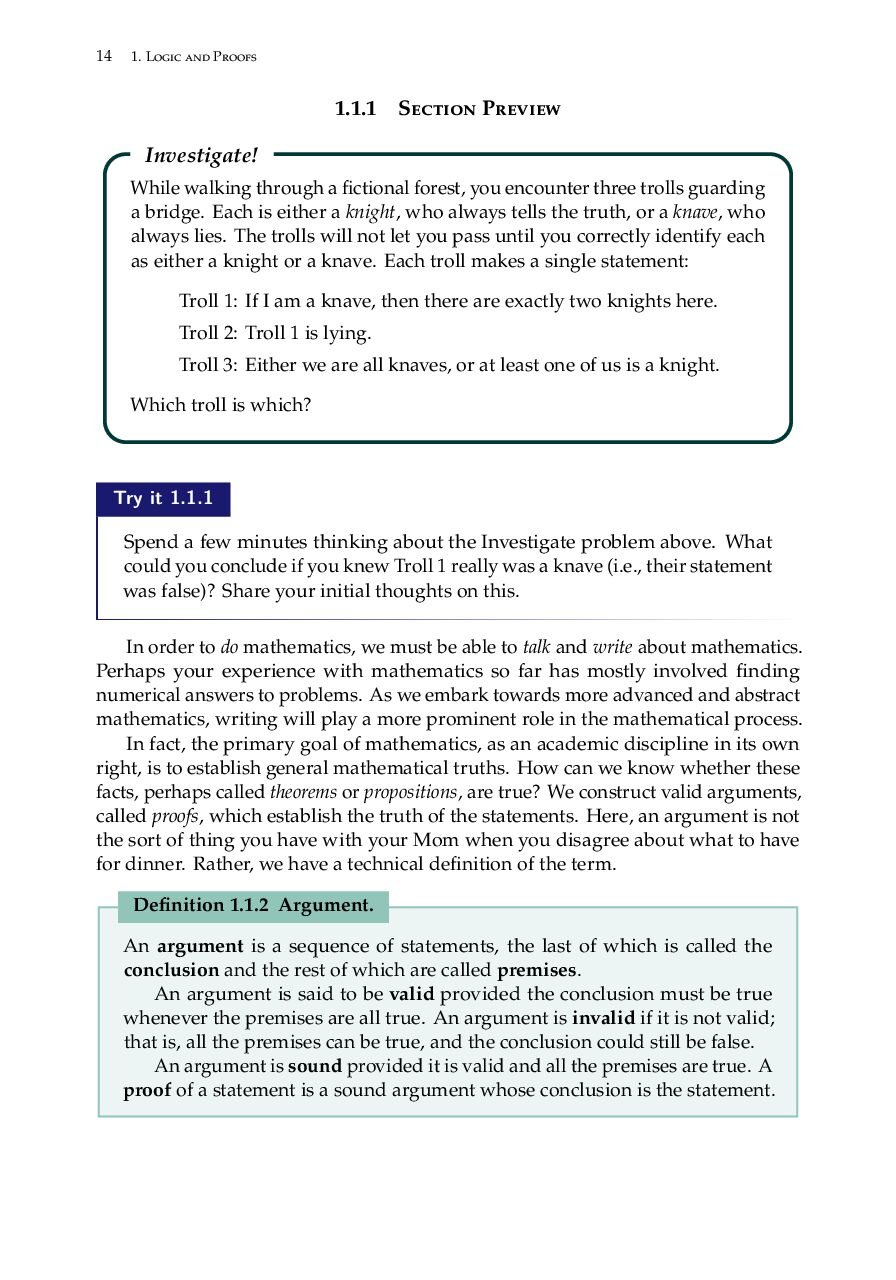
Covers atomic and molecular statements, logical connectives (and, or, if-then, if-and-only-if, not), truth tables, and quantifiers (universal, existential). Explains predicates, free variables, and how to translate between natural language and logical symbols.
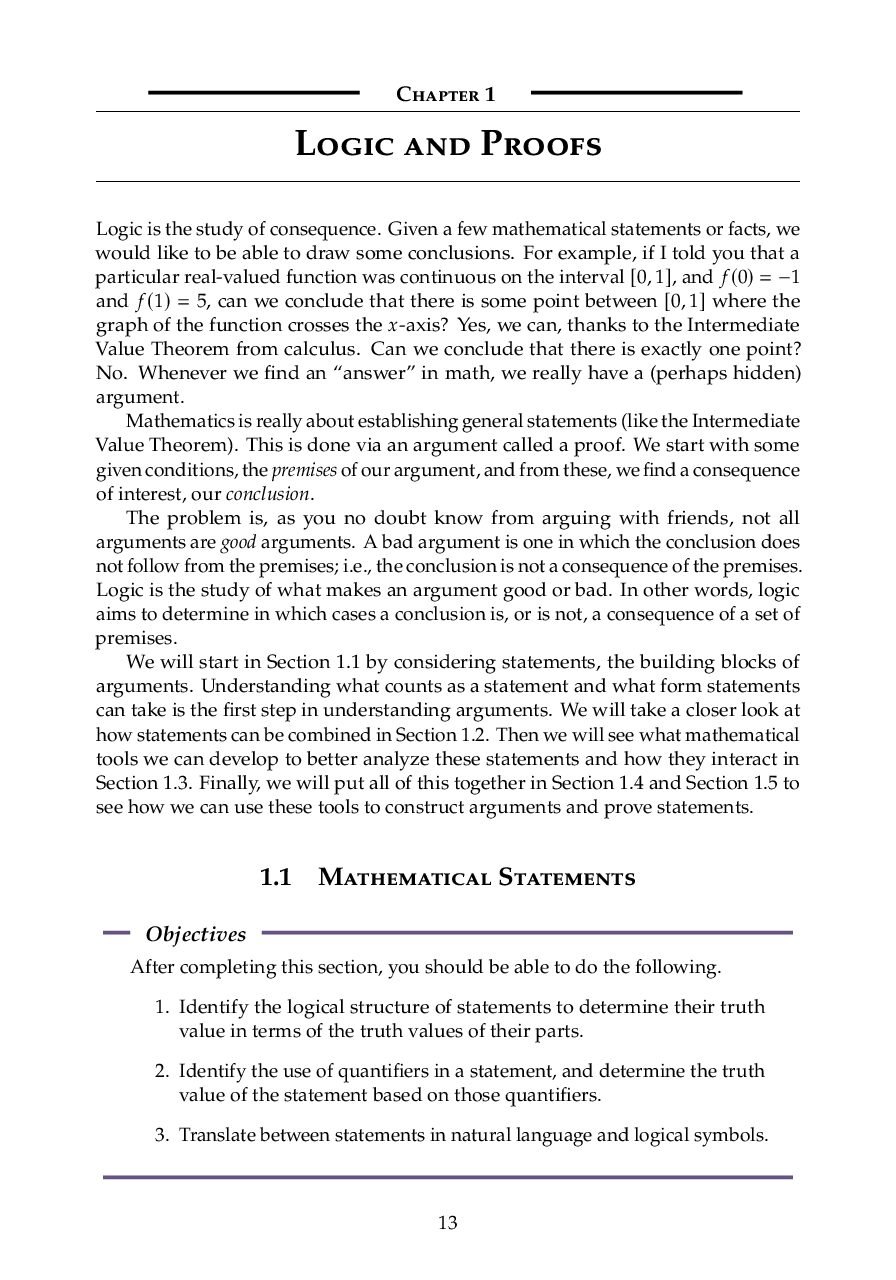
Introduces mathematical logic as the study of consequence and valid arguments. Defines proofs, premises, conclusions, and the difference between valid and sound arguments. Establishes foundation for constructing mathematical proofs through logical reasoning.
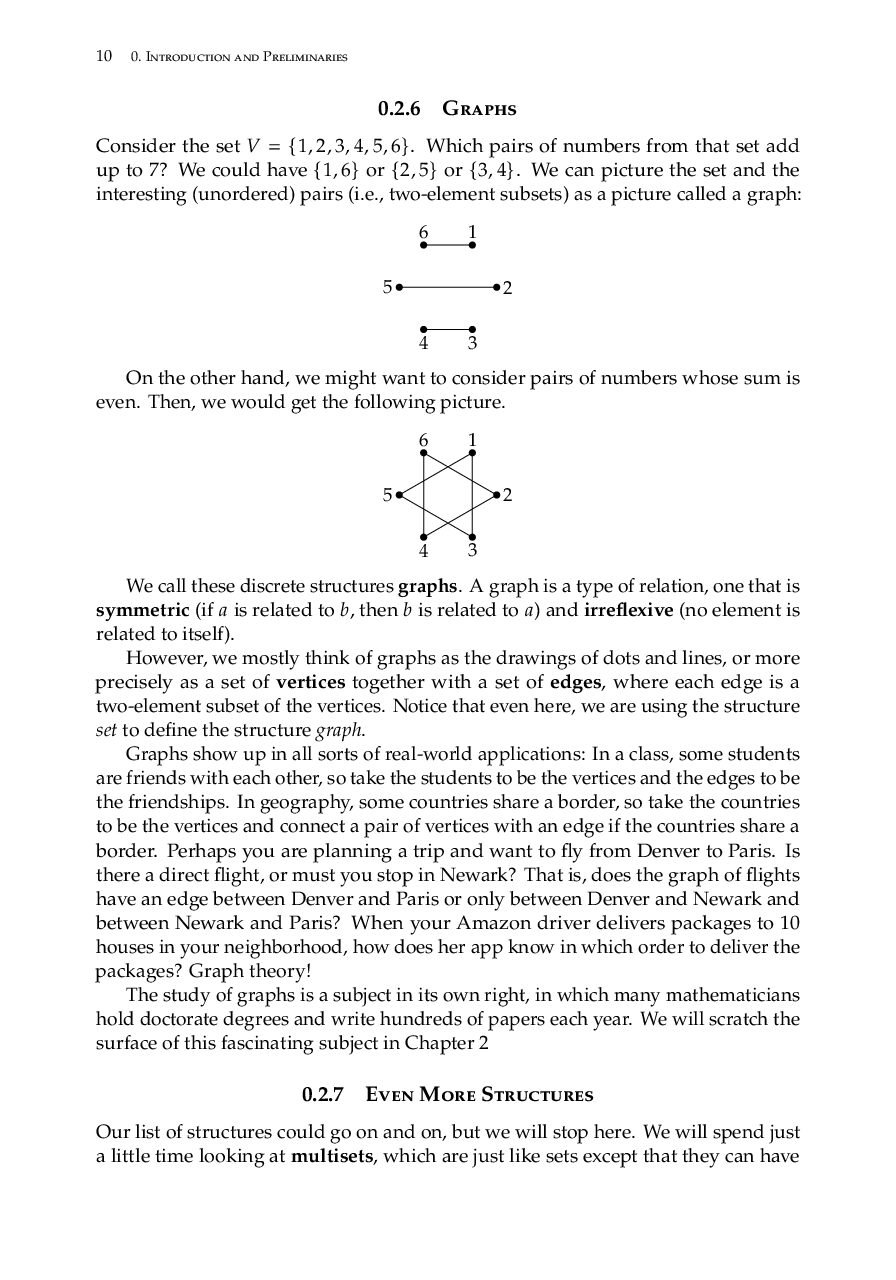
Defines graphs as discrete structures consisting of vertices and edges representing symmetric, irreflexive relations. Provides practical applications including social networks, geography, travel routing, and delivery optimization. Discusses various other discrete structures briefly.