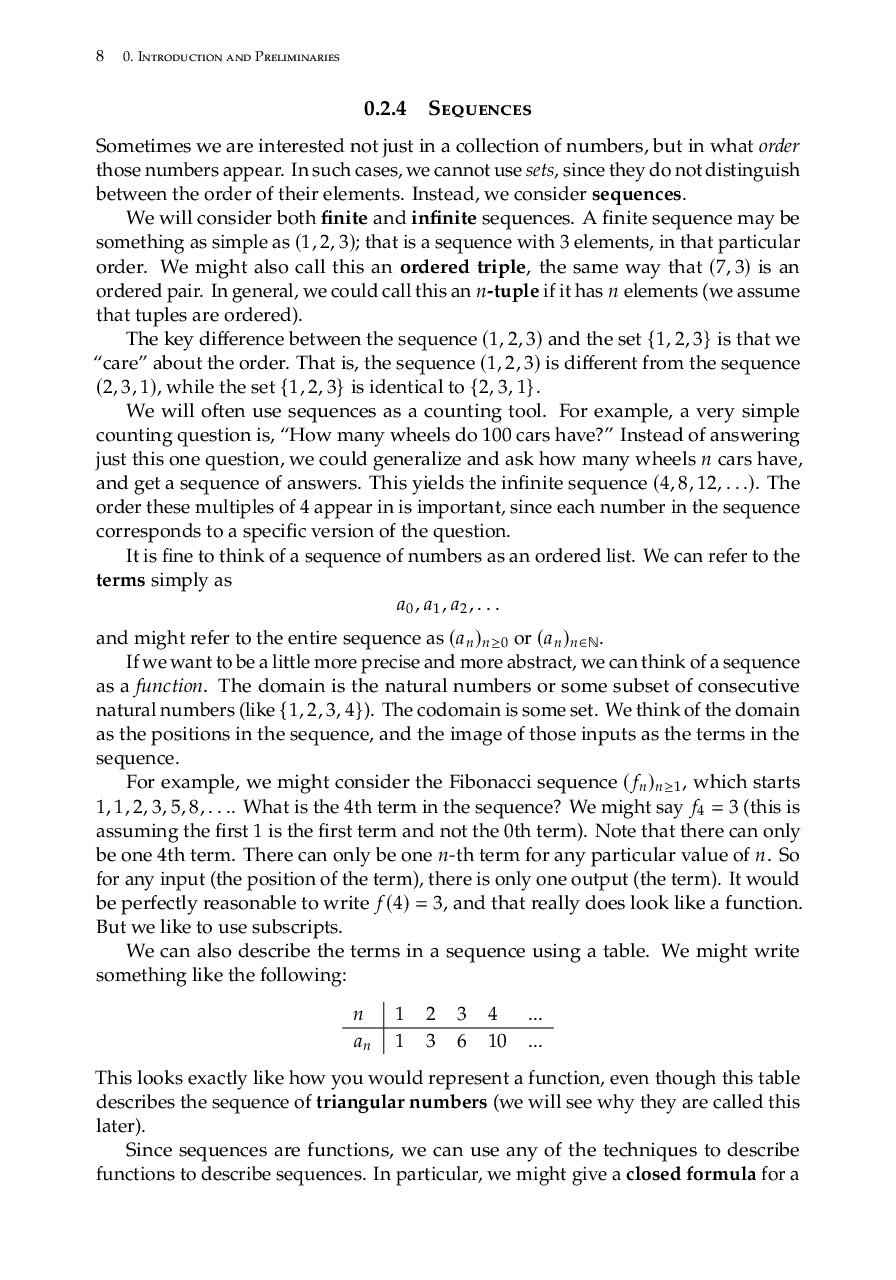
Covers sequences as ordered lists and functions, distinguishing from sets. Explores relations (binary and n-ary) with properties like reflexive, symmetric, transitive. Introduces graphs as visual representations of relations, with real-world applications in networks and optimization.
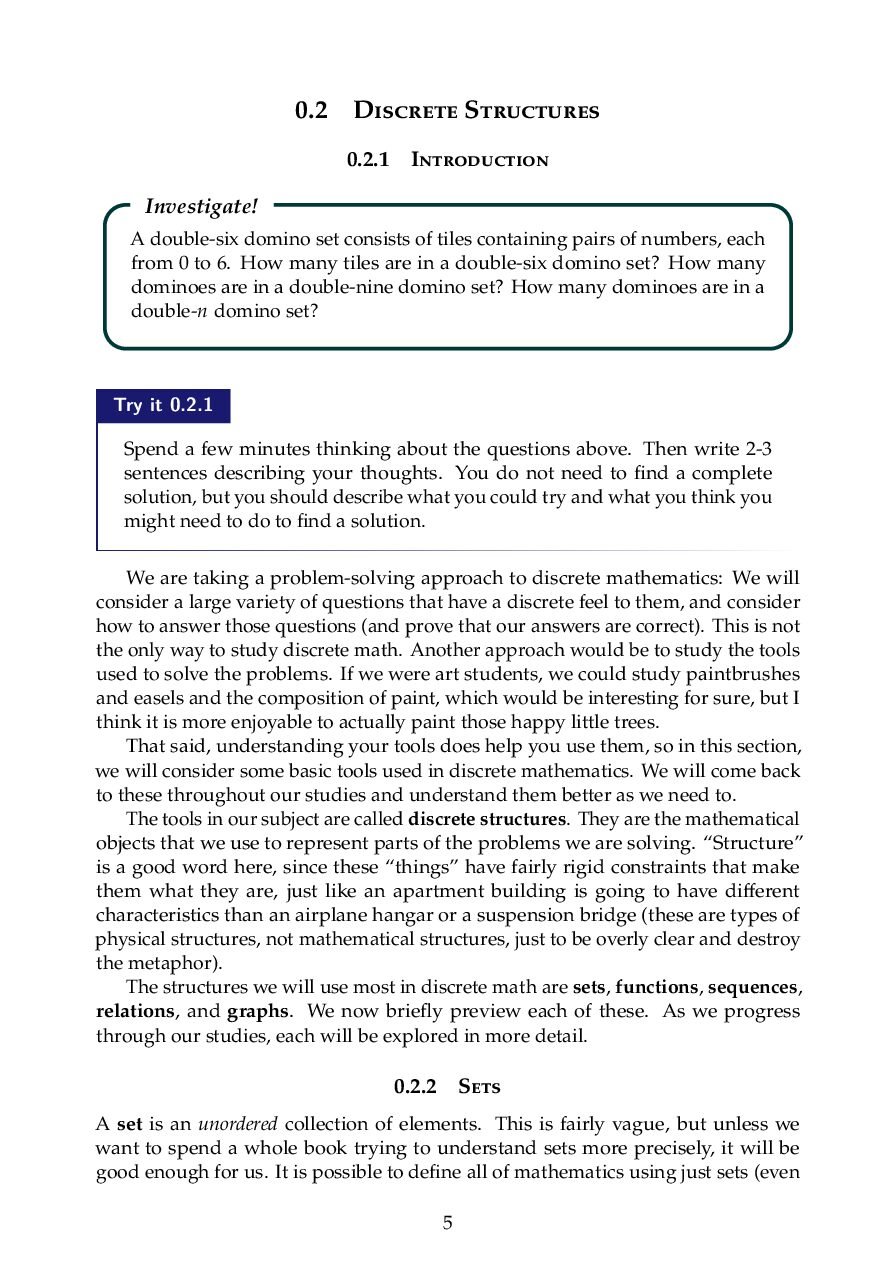
Explains fundamental discrete structures including sets (unordered collections), functions (mappings between sets), sequences (ordered lists), relations, and graphs. Uses set builder notation, natural numbers, and introduces closed versus recursive function definitions with examples.
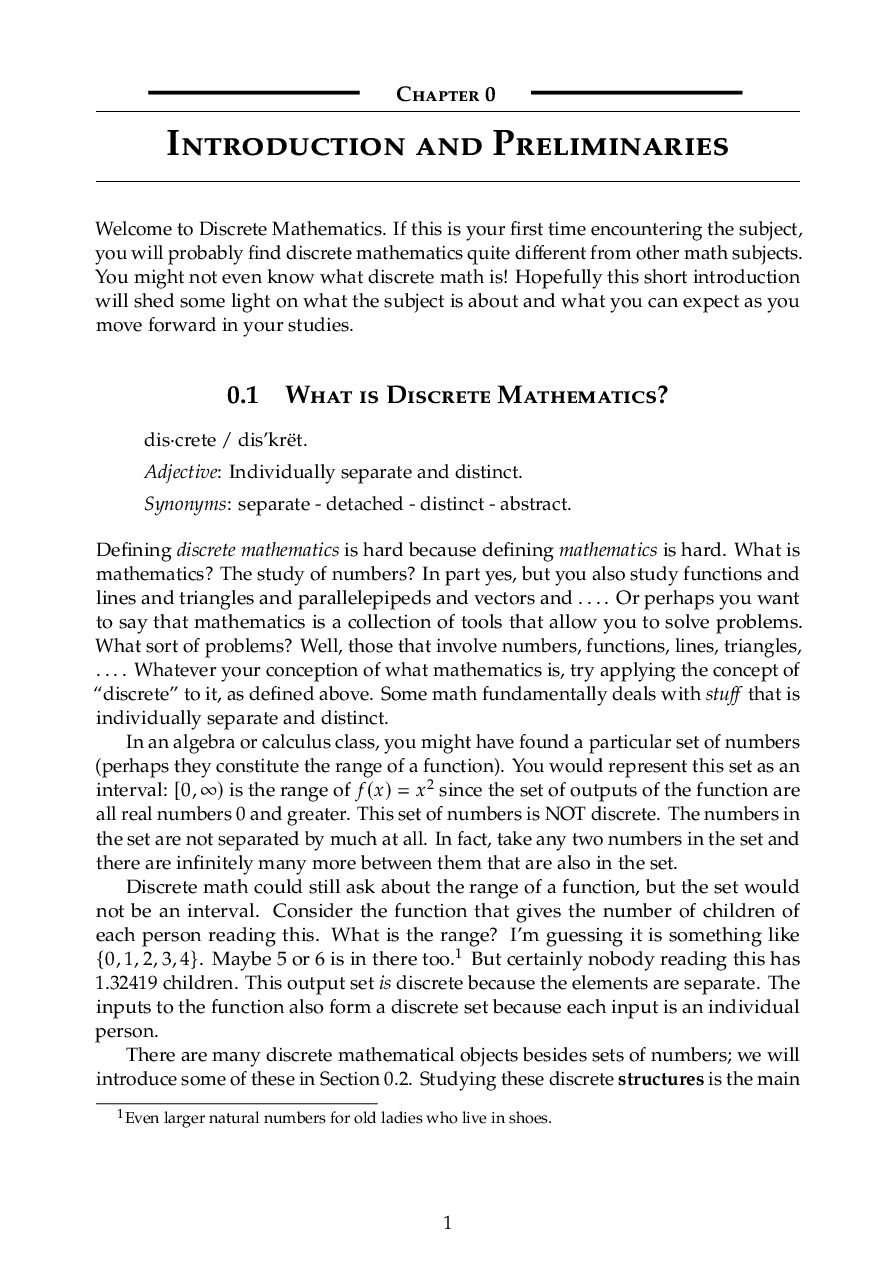
Introduces discrete mathematics concepts through problem-solving approach. Covers handshake problems, sequences, logic puzzles, and graph theory basics. Emphasizes understanding discrete structures (individually separate and distinct mathematical objects) versus continuous mathematics.
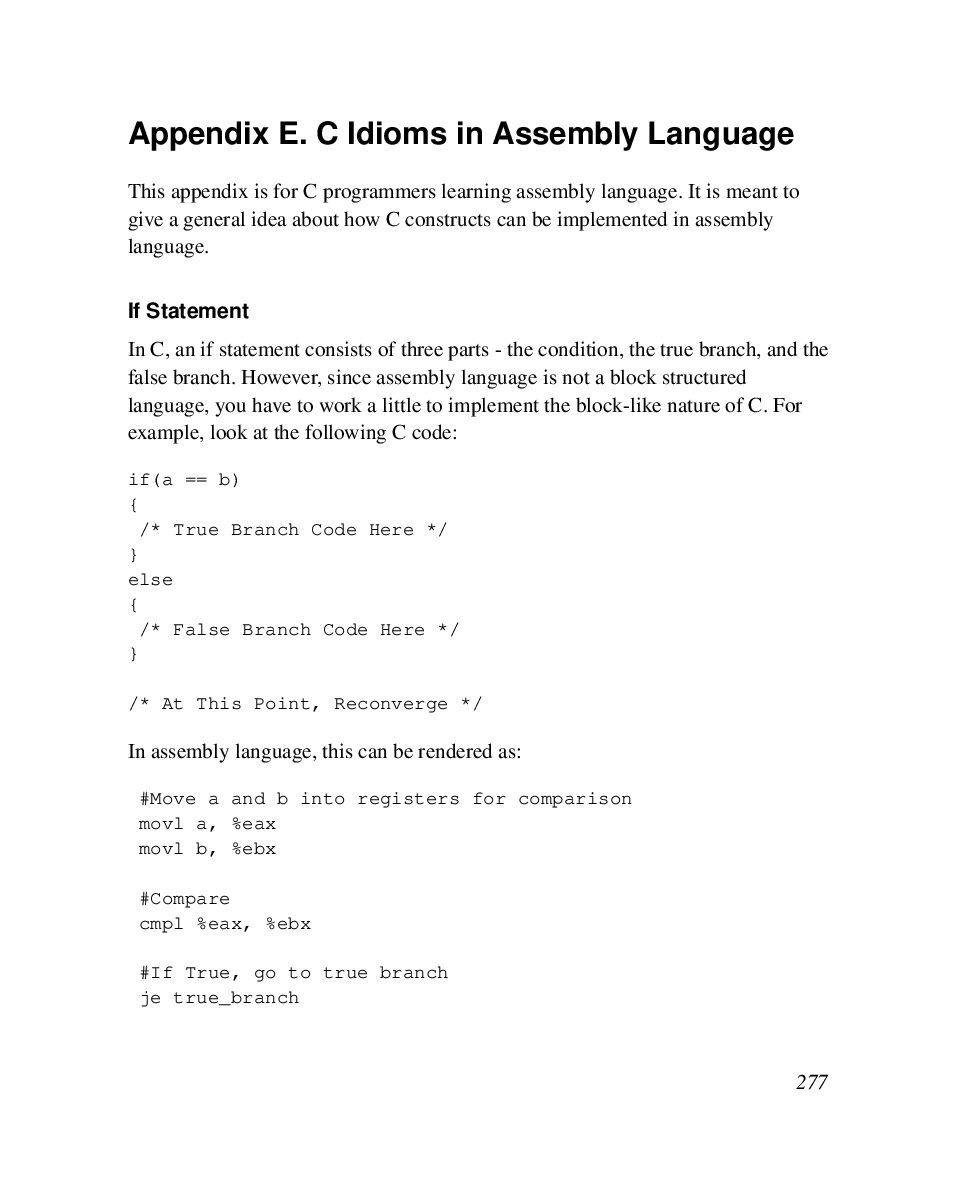
Explains how C constructs (if statements, loops, function calls, variables, structs, pointers) translate to x86 assembly language. Includes practical examples showing block structures, stack operations, register usage, and memory addressing modes with implementation details.
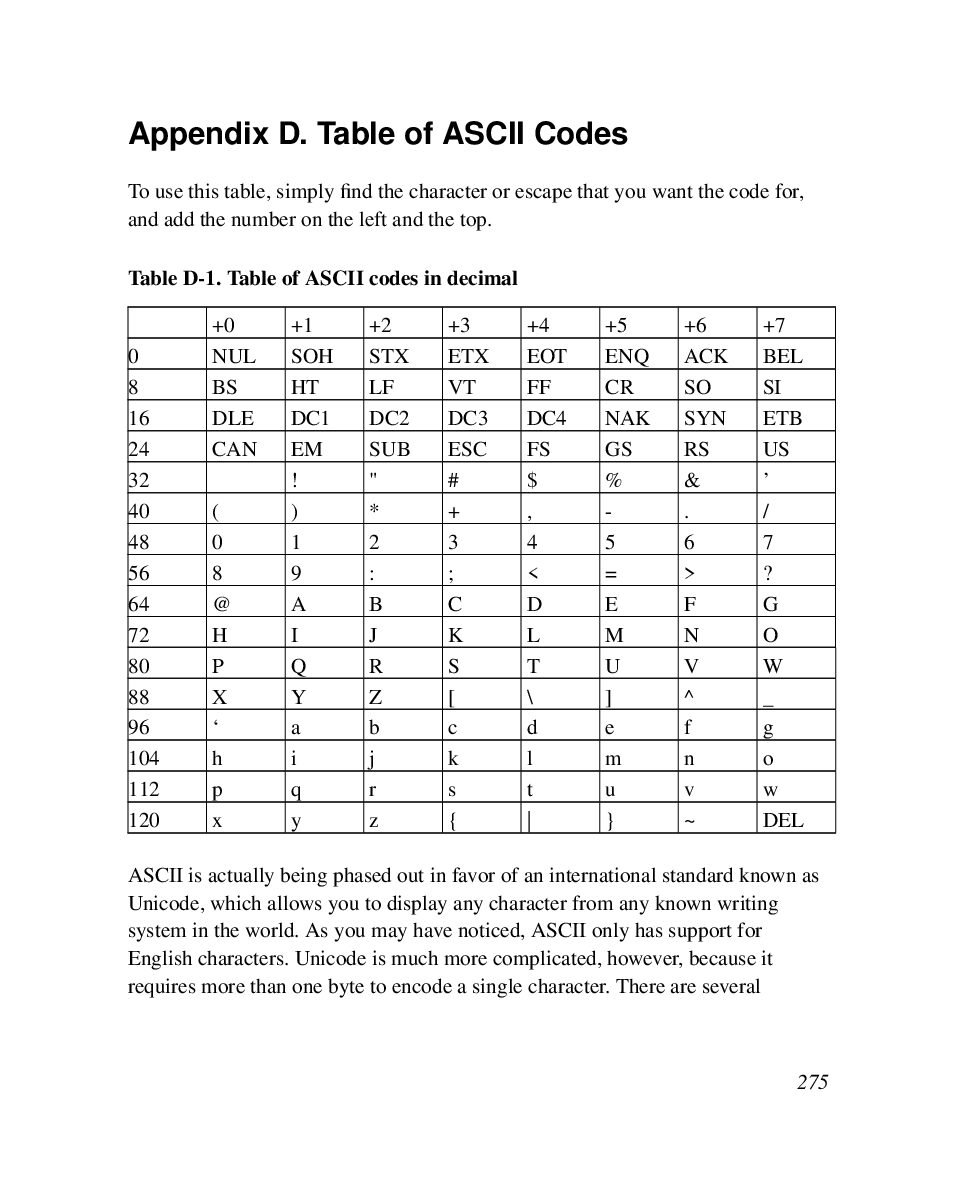
Presents ASCII character code table in decimal format with control characters, printable symbols, and alphanumeric values. Discusses transition to Unicode (UTF-8, UTF-16, UTF-32) for international character support and backwards compatibility considerations.