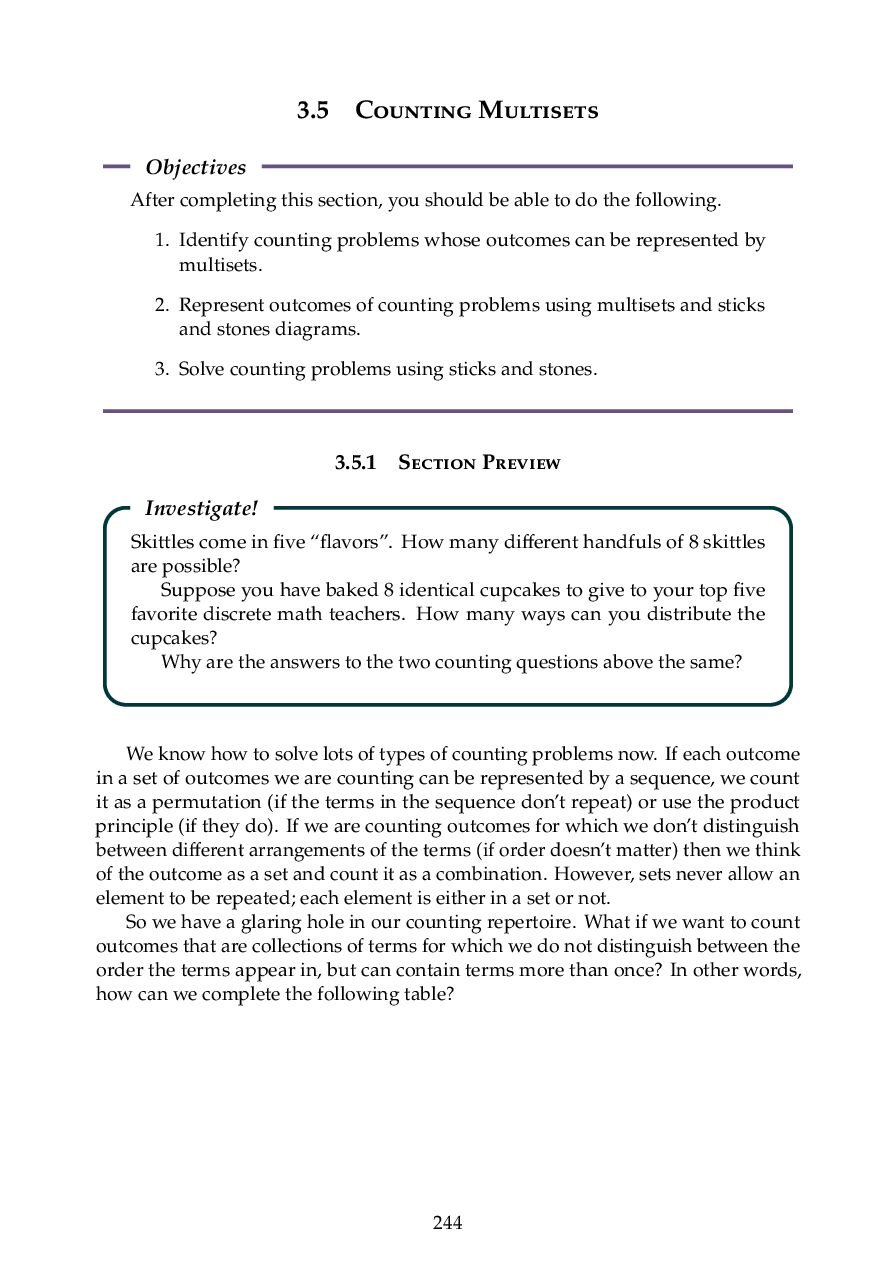
Introduces stars and bars technique for distributing indistinguishable objects into distinguishable bins. Covers applications to integer solutions of equations, cookie distribution problems, and variations with restrictions on minimum or maximum quantities.
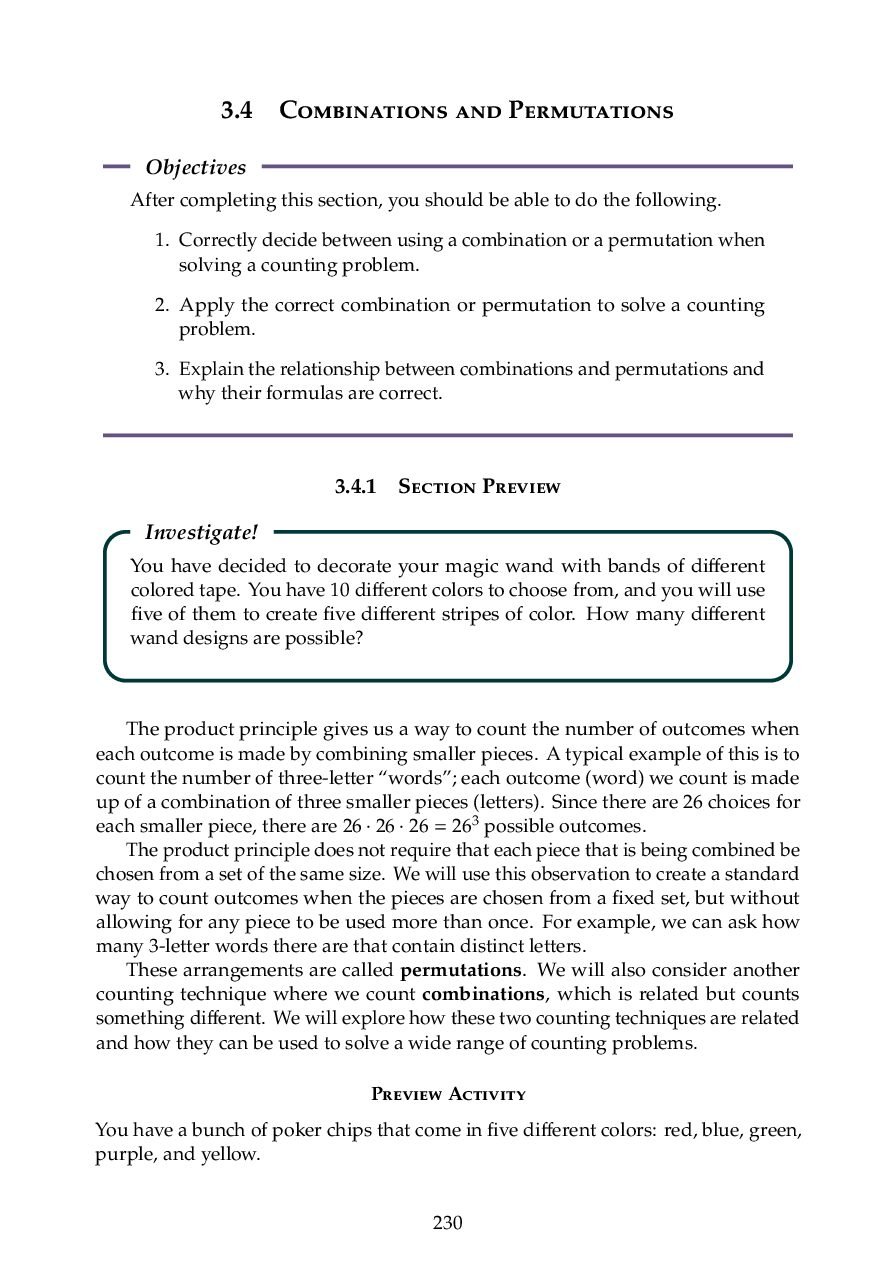
Detailed treatment of permutations (ordered selections) versus combinations (unordered selections). Includes formulas for P(n,k) and C(n,k), applications to word arrangements, committee selections, and problems with restrictions or repetition allowed.
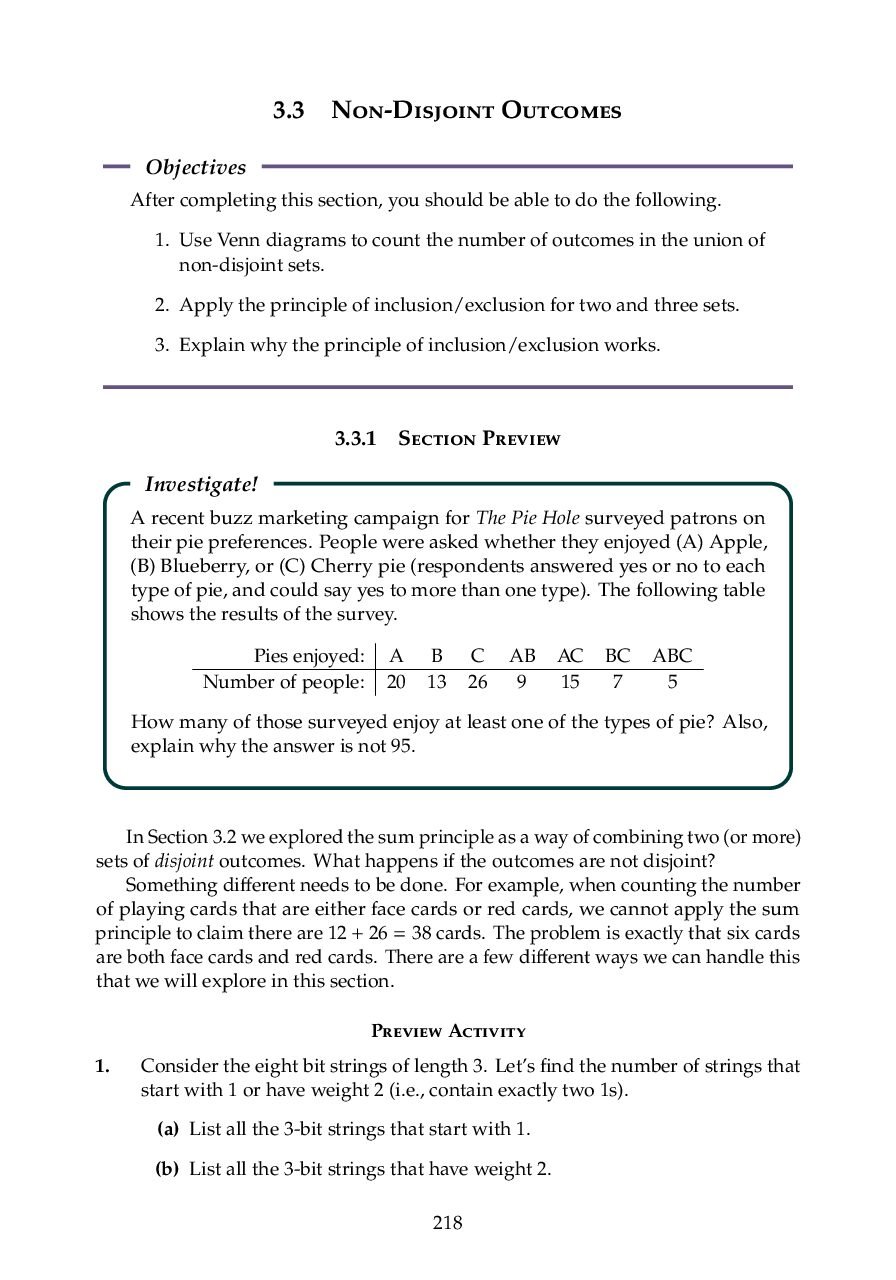
Covers counting unions of non-disjoint sets using Venn diagrams and the Principle of Inclusion-Exclusion (PIE). Includes formulas for 2 and 3 sets, applications to overlapping categories, and handling repeated elements in counting problems.
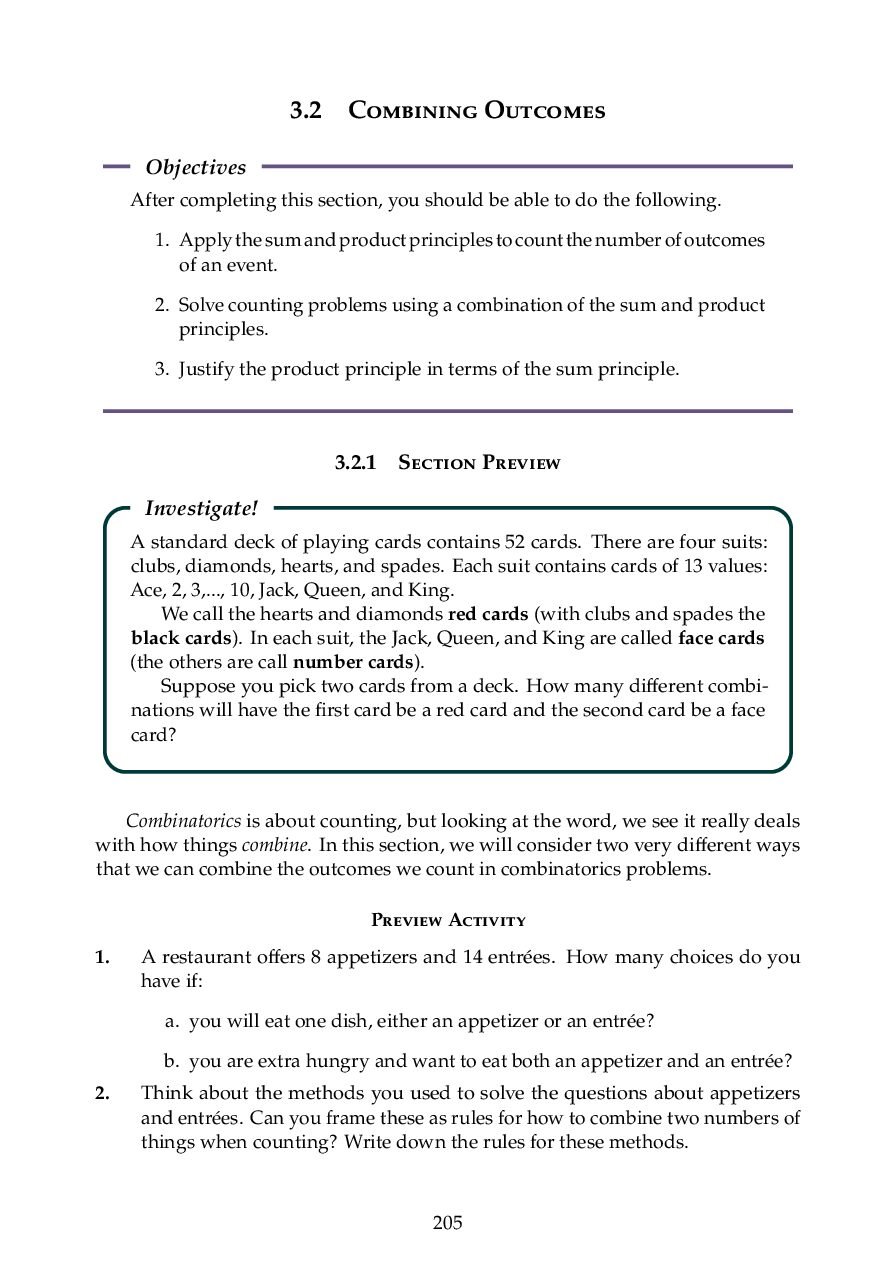
Fundamental counting principles covering sum principle (combining disjoint outcome sets) and product principle (combining individual outcomes). Includes applications to cards, license plates, functions, and distinguishing between ‘or’ and ‘and’ scenarios in counting problems.
Connects Pascal’s triangle to algebra through the Binomial Theorem. Shows how binomial expansion coefficients correspond to Pascal’s triangle entries. Includes practice with lattice paths, bit strings, subsets, and polynomial expansion using binomial coefficients.